Pomerania stretches from the Baltic coast down through Kashubian lake districts and medieval river towns, giving travelers a broader set of choices than most Polish regions. Whether you're arriving for Gdańsk's Old Town, the Kashubian highlands, or the Vistula River castles, where you base yourself shapes the entire trip. This guide breaks down four solid hotel options across the region - with honest assessments of what each one delivers and who it suits best.
What It's Like Staying in Pomerania
Pomerania is one of Poland's most geographically diverse regions - the Baltic coastline, Kashubian lake plateau, Tczew river crossing, and Vistula valley castle towns all sit within roughly 100 km of each other. Gdańsk anchors the region as its largest urban hub, with direct rail connections to Warsaw (around 3 hours) and Gdynia next door, but much of Pomerania's appeal lies outside the city limits. Crowd patterns are highly seasonal: the coast peaks hard in July and August, while inland areas like the Kwidzyń-Gniew corridor stay quieter year-round and offer better value per night.
Pros:
- Exceptional geographic variety - coast, lakes, river towns, and forests all accessible within a single base
- Strong rail infrastructure around Gdańsk/Tricity makes day-tripping straightforward without renting a car
- Inland Pomerania offers significantly lower hotel rates than the coast during summer peak season
Cons:
- Rural areas require a car - public transport thins out quickly beyond the Tricity metro area
- Coastal resorts like Władysławowo see prices surge around 40% or more during July-August
- Off-season (November-February) sees many coastal facilities close or reduce services sharply
Why Choose a Hotel in Pomerania
Hotels in Pomerania span a wide spectrum - from compact urban properties steps from Gdańsk's tram network to resort-format stays on the coast with pools and entertainment programs. Unlike the apartment rental market that dominates Gdańsk's city center, hotels here tend to include breakfast, which adds genuine daily value given the distance between some properties and the nearest café or restaurant. Structurally, most mid-range hotels in the region sit at the 2-star level but operate closer to international 3-star standards in terms of room equipment, particularly outside the city center where newer builds are more common.
Price positioning is one of Pomerania's strongest advantages: inland hotels regularly run at around half the nightly cost of comparable Gdańsk Old Town properties. Room sizes also tend to be more generous outside urban cores - patios, garden access, and dedicated parking are common even at budget-leaning properties. The trade-off is reduced walkability to major sights, making transport planning more important.
Pros:
- Breakfast inclusion is standard across most hotels, reducing daily food logistics
- Free private parking is widely available outside Gdańsk - a major practical benefit for road trippers
- Resort-style amenities (pools, kids' clubs) accessible without luxury hotel pricing
Cons:
- Urban hotels near Gdańsk's tram lines book out weeks in advance during summer
- Inland properties require a car for most sightseeing, adding transport costs
- 2-star hotel classification in Poland can mask wide quality differences - always check recent reviews
Practical Booking & Area Strategy
For travelers focused on Gdańsk's historic center, staying within 800 metres of a Tricity SKM rail station gives fast access to the Old Town, Westerplatte, and the coastal resort strip toward Sopot and Gdynia without needing a car. Władysławowo and the northern Hel Peninsula are best booked at least 6 weeks ahead for summer travel - demand spikes sharply after Polish school holidays begin in late June. If your itinerary includes Gniew Castle, Kwidzyn Castle, or the Grudziądz Granaries, basing yourself in the Vistula valley towns cuts drive time significantly and costs noticeably less per night than the coast.
The Kashubian highlands around Władysławowo work well as a standalone 3-night stay with beach access plus hiking trails through the Kashubian Landscape Park. Gdańsk Lech Wałęsa Airport connects to all four areas covered in this guide, with drive times ranging from 45 minutes (Tczew) to around 90 minutes (Gniew area). Night-time safety across Pomeranian towns is generally high, including in smaller inland settlements where hotels tend to have enclosed parking.
Best Value Stays
These properties offer strong practical value - solid facilities, good breakfast options, and useful locations - without resort-level pricing. Both suit travelers who want a reliable base for exploring Pomerania's wider attractions.
-
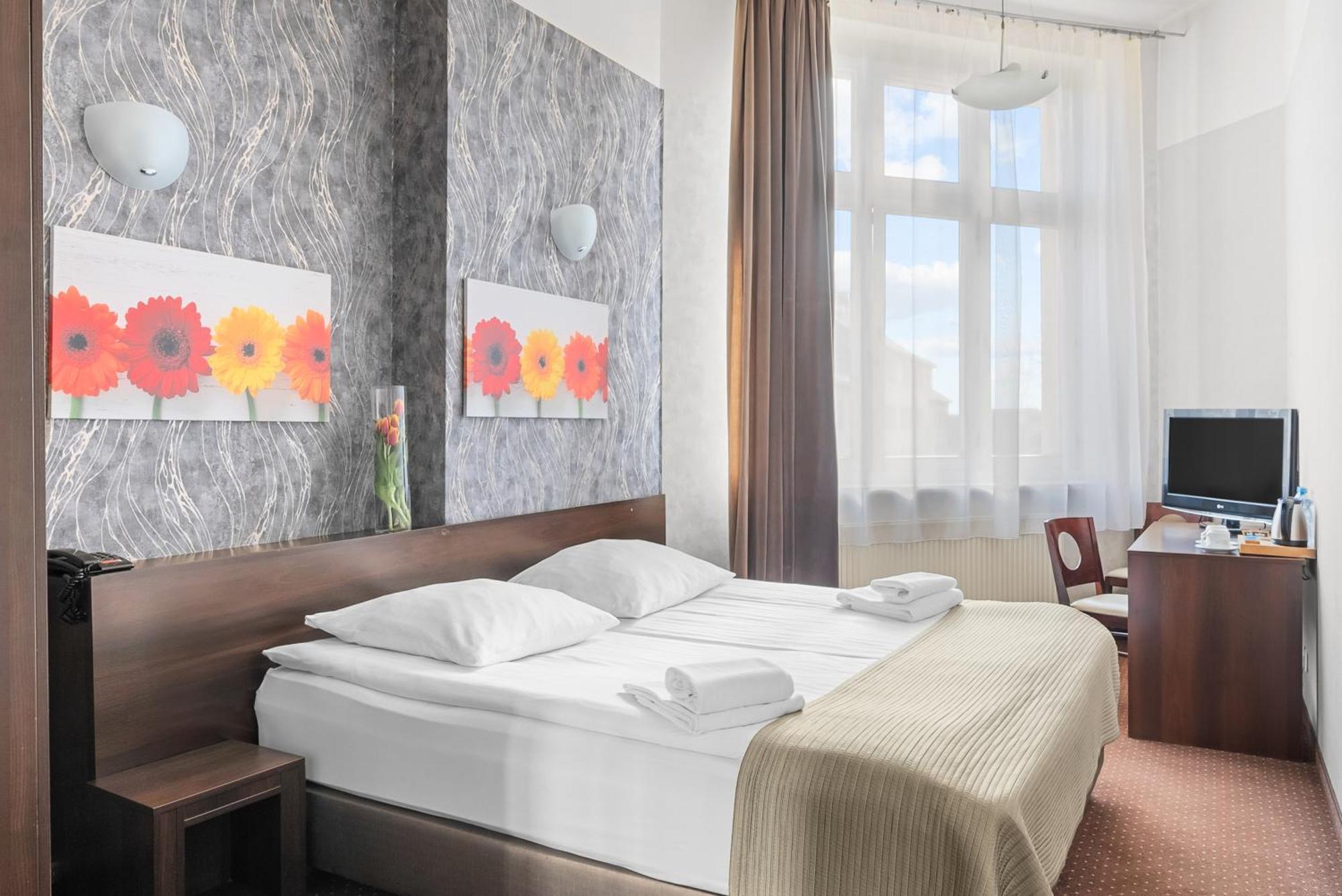
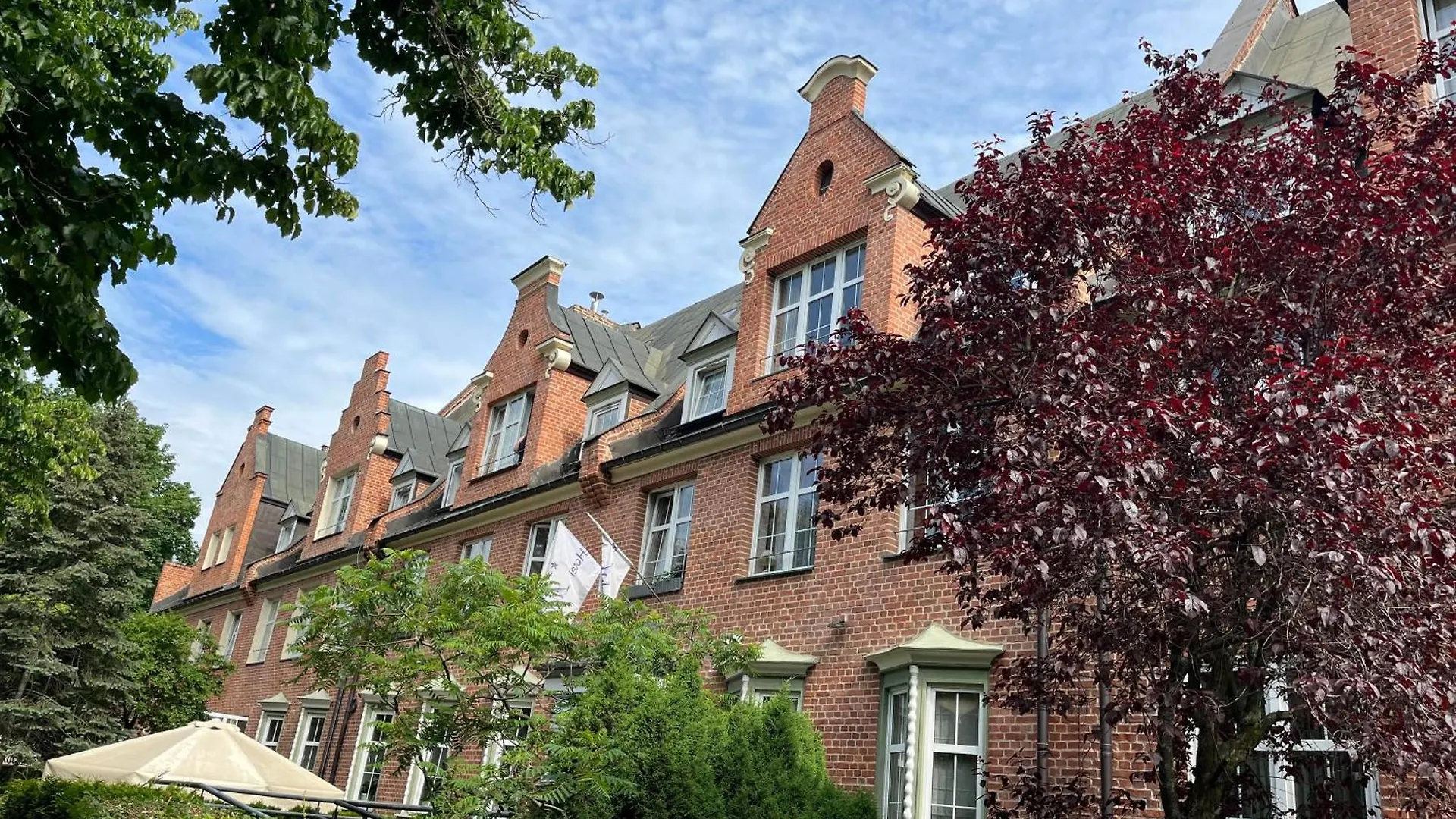
1. Hotel Vela
Show on map


 Check-infrom 14:00 until 22:00Check-outuntil 11:00
Just a few rooms left at the best rate!
fromPLN 360
-
2. Hotel Logos
Show on map


 Check-infrom 14:00 until 23:59Check-outuntil 11:00
Just a few rooms left at the best rate!
fromPLN 130
Best Premium Stays
These two properties offer expanded amenity sets - resort pools, kids' clubs, exceptional breakfast ratings, and natural surroundings - suited to travelers who want more than just a sleeping base in Pomerania.
-
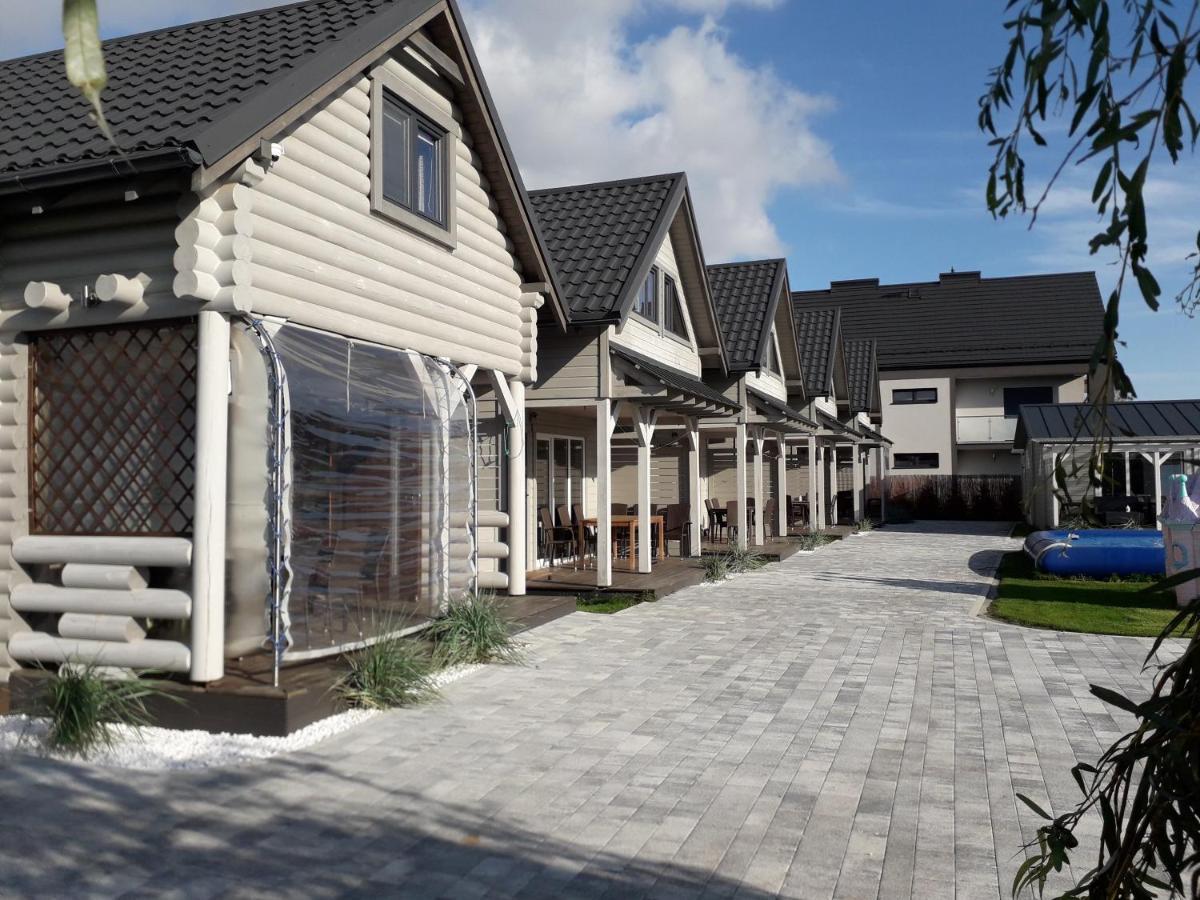
3. Kashubian Resort
Show on map


 Check-infrom 15:00 until 23:59Check-outfrom 06:00 until 11:00
Hurry – almost gone at this price!
fromPLN 442
-
4. Zajazd Gniewko
Show on map


 Check-infrom 14:00 until 21:00Check-outfrom 07:00 until 11:00
Rooms filling fast – secure the best rate!
fromPLN 271
Smart Travel & Timing Advice
Pomerania's coastal strip - including Władysławowo and the Hel Peninsula - peaks intensely during July and August when Polish domestic tourism dominates. Booking coastal properties like Kashubian Resort fewer than 4 weeks out in summer is risky; prices climb and availability drops sharply. June and September offer the most balanced conditions on the coast: lower rates, fewer crowds, and sea temperatures still viable for swimming. For inland properties in Tczew, the Gniew-Kwidzyn corridor, and Gdańsk urban hotels, seasonality is softer - spring and autumn are genuinely good times to visit, with castle sites uncrowded and hotel rates lower.
A minimum of 3 nights makes sense for most Pomerania visits - one night is rarely enough to cover even a single sub-region meaningfully. Gdańsk-based travelers can realistically combine Old Town sightseeing with a day trip to Malbork Castle (30 km east) or Sopot's pier without changing hotels. For those combining coastal and inland itineraries, a split stay - 2 nights in Gdańsk or Tczew, then 2 nights at a resort or rural inn - covers the region's range without excessive driving.