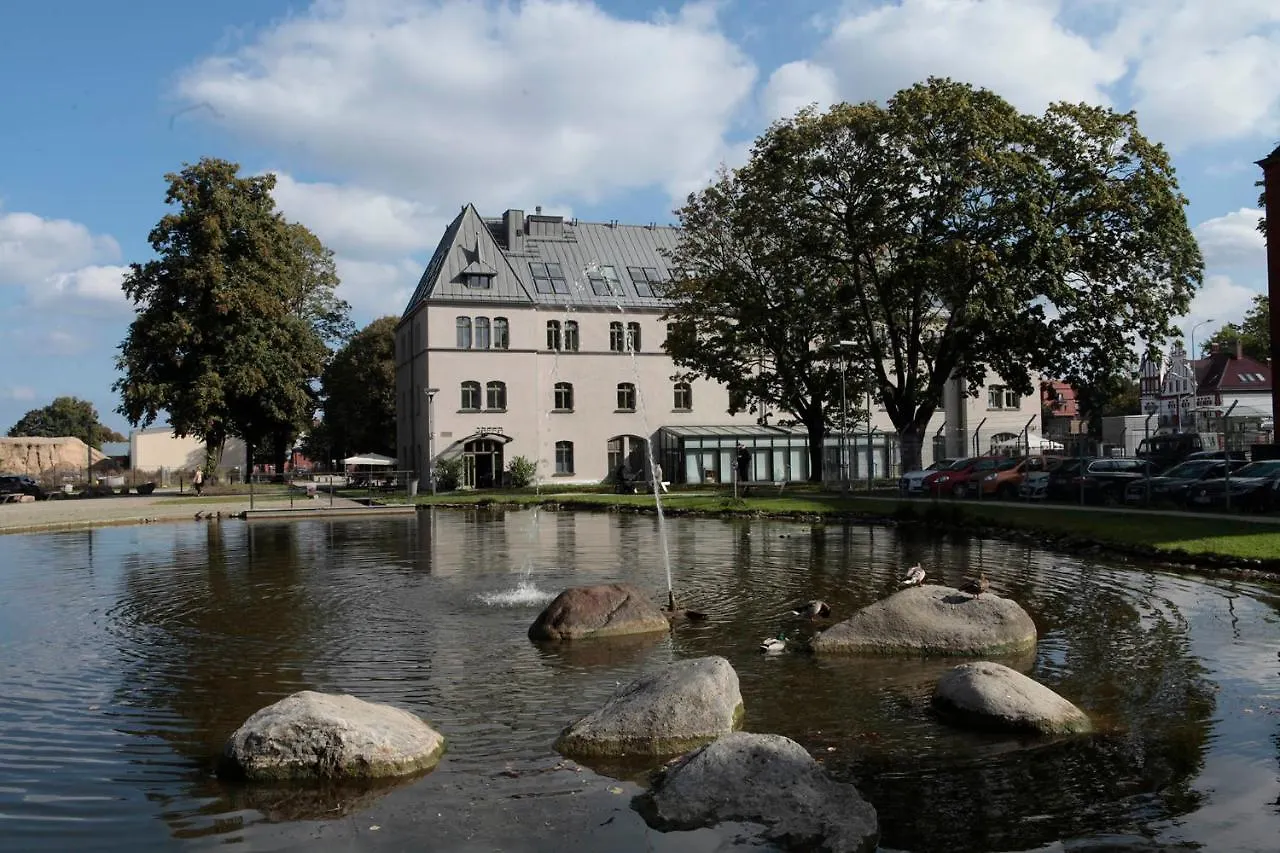
Poland's 3-star hotel segment offers one of the best value propositions in Central Europe - solid infrastructure, consistent amenities, and locations that actually make logistical sense for travelers exploring the country's diverse regions. From the coastal city of Gdańsk to the Beskid mountain range in the south, from Lublin's historic old town to Silesia's urban core, these hotels sit at the intersection of affordability and reliability that most travelers need when covering serious ground across Poland.
What It's Like Staying in Poland
Poland spans an extraordinary range of landscapes - the Baltic coast in the north, the Tatra and Beskid mountains in the south, the Mazovian plains around Warsaw, and the forested Świętokrzyskie highlands in the center. Tourism has grown rapidly, with cities like Kraków, Gdańsk, and Wrocław drawing millions of visitors annually, while smaller destinations like Jelenia Góra, Zielona Góra, and Hrubieszów remain largely off the international radar. Crowd levels vary dramatically: Warsaw and Kraków peak hard in summer and during long weekends, while rural and smaller-city properties stay accessible year-round with almost no congestion.
Travelers who want to explore Poland beyond the postcard highlights benefit most from staying here - the country's road and rail network is extensive enough to use regional hotels as genuine bases. Rail connections link most major cities within 3 hours, making it realistic to stay in one city and day-trip to another. Those seeking beach resort infrastructure or all-inclusive formats will find Poland's offer limited compared to Mediterranean destinations.
Pros:
- Exceptionally low prices compared to Western Europe - around 40% cheaper for equivalent accommodation quality
- High density of UNESCO sites, medieval old towns, and natural parks within short driving distances
- Strong culinary scene in mid-size cities with authentic Polish cuisine at very accessible prices
Cons:
- English proficiency drops significantly outside Warsaw, Kraków, and Gdańsk
- Public transport between smaller towns is infrequent, requiring car rental for regional exploration
- Winter months (November-February) bring short days, cold temperatures, and limited outdoor activity in most regions
Why Choose 3-Star Hotels in Poland
In Poland, the 3-star category punches noticeably above its label. Most properties at this tier offer private bathrooms, free parking, breakfast options, and reliable Wi-Fi - features that in many Western European countries cost significantly more. Room sizes in Polish 3-star hotels average around 20 square meters, which is competitive with 4-star standards in countries like France or Spain. The trade-off is that amenities like spas, concierge desks, or in-room minibars are inconsistent and property-dependent rather than standard.
What differentiates Polish 3-star hotels from budget alternatives is the inclusion of on-site restaurants serving actual Polish cuisine - not just continental spreads - and parking infrastructure that reflects a car-dependent travel culture. Free private parking is included at the majority of 3-star properties outside city centers, which eliminates a cost that can add up quickly in places like Gdańsk or Katowice. The main trade-off in urban locations is noise from traffic or city nightlife, particularly in centrally located properties.
Pros:
- Free private parking is standard at most regional and rural 3-star properties, saving considerable daily costs
- On-site restaurants at this tier regularly serve full Polish and European menus, not just packaged breakfast
- Family room configurations are widely available across this category in Poland
Cons:
- Fitness centers and wellness facilities are present only at select properties, not across the board
- Urban 3-star hotels near city centers can face noise issues, especially on weekends
- Design and furnishing quality varies widely - some properties are classically furnished, others feel dated
Practical Booking & Area Strategy
Poland's geography rewards strategic base selection. Gdańsk is the anchor for the north - proximity to the Tri-City area, the Baltic coast, and Malbork Castle makes it one of the most versatile bases in the country. Katowice in Silesia gives fast motorway access to both Kraków (around 80 km west) and the Beskid mountain foothills, making it a practical hub for travelers combining city and nature. Lublin, often overlooked, is the gateway to eastern Poland's less-touristed landscapes including Roztocze National Park and the historic Zamość old town. For travelers targeting the Świętokrzyskie region or Holy Cross Mountains, smaller properties near Nowa Słupia put national park trailheads at the doorstep without the premium of Kielce city hotels.
Book at least 6 weeks ahead for stays in July and August in popular destinations - Gdańsk especially fills fast during summer. For Zielona Góra, Września, or Hrubieszów, availability is far more flexible year-round. Jelenia Góra serves as a launchpad for the Karkonosze mountains and Szklarska Poręba ski resort, meaning winter weekends fill quickly from December through February alongside the summer hiking season. Properties within 40 km of Warsaw, like those in Mazovia, offer a realistic alternative to inflated capital city prices while remaining within a viable airport transfer radius.
3-Star Hotels in Northern & Central Poland
This group covers properties in northern Poland's key urban center Gdańsk, the Mazovian region near Warsaw, and the central Łomża area - three distinct zones that serve travelers entering Poland from the north, arriving via Warsaw's main airport, or exploring the Podlaskie region.
-
1. Lofty Kampus Garnizon
Show on map


 Check-infrom 15:00 until 20:00Check-outfrom 08:00 until 12:00
Best price guarantee
fromPLN 115
-
2. Hotel Kozerki
Show on map


 Check-infrom 15:00 until 22:00Check-outfrom 07:00 until 11:00
Rooms filling fast – secure the best rate!
fromPLN 508
-
3. Metropol
Show on map


 Check-infrom 15:00 until 22:00Check-outfrom 06:00 until 10:00
Rooms filling fast – secure the best rate!
fromPLN 134
3-Star Hotels in Southern, Eastern & Western Poland
This group spans Poland's most geographically varied regions - the Lublin uplands and eastern border zone, the Silesian and Lesser Poland mountain corridors, the Świętokrzyskie highlands, and the western Lubusz and Lower Silesia areas. Each property serves a distinct travel corridor across southern and western Poland.
-
4. Avatary Miasta
Show on map


 Check-infrom 14:00 until 23:59Check-outuntil 11:00
Hurry – almost gone at this price!
fromPLN 293
-
2. Hotel Platinum Hrubieszow
Show on map


 Check-infrom 14:00 until 23:59Check-outuntil 12:00
Just a few rooms left at the best rate!
fromPLN 174
-
6. Ignasiak Hotel
Show on map


 Check-infrom 15:00 until 23:59Check-outfrom 01:00 until 11:00
Hurry – almost gone at this price!
fromPLN 341
-
7. Makara
Show on map


 Check-infrom 15:00 until 23:59Check-outfrom 06:00 until 11:00
Best price guarantee
fromPLN 174
-
5. Beskid Masala
Show on map


 Check-infrom 15:00 until 21:00Check-outfrom 10:00 until 11:00
Hurry – almost gone at this price!
-
6. Scandinavia Resort
Show on map


 Check-infrom 16:00 until 23:59Check-outfrom 07:00 until 11:00
Best price guarantee
fromPLN 638
-
7. Willa Czarownica
Show on map


 Check-infrom 14:00 until 23:59Check-outfrom 10:00 until 11:00
Best price guarantee
fromPLN 568
-
11. Hotel Zajazd Kultury, Dawniej Pocztowy
Show on map


 Check-infrom 14:00 until 22:00Check-outuntil 12:00
Just a few rooms left at the best rate!
fromPLN 327
- Show on map
Best price guarantee
-
10. Piastowski26
Show on map


 Check-infrom 15:00 until 20:00Check-outfrom 08:00 until 11:00
Just a few rooms left at the best rate!
fromPLN 293
-
14. Hotel Panorama
Show on map


 Check-infrom 15:00 until 23:59Check-outfrom 07:00 until 12:00
Best price guarantee
fromPLN 260
-
15. Hotel Fado
Show on map


 Check-infrom 14:00 until 23:59Check-outuntil 12:00
Best price guarantee
fromPLN 197
Smart Travel & Timing Advice for Poland
Poland's tourism calendar has clear peaks and strategic windows. July and August drive the highest demand across Gdańsk, Kraków, and the Tri-City coast, with hotel prices rising sharply and availability tightening - particularly for properties near beaches or national parks. The shoulder months of May, June, and September offer the best combination of accessible pricing, mild weather, and manageable crowd levels across most regions. Kraków's Christmas market in December draws significant European visitors and pushes central hotel rates up considerably for a winter window.
For mountain properties in the Karkonosze or Beskid ranges, book winter weekends at least 8 weeks ahead during ski season from December through February. Wrocław, Poznań, and Łódź host major trade fairs and events that cause localized demand spikes unrelated to tourist seasons - checking event calendars before booking in these cities is important. A minimum of 3 nights makes sense for any single base in Poland, given travel distances between attractions. Early booking discounts are widely offered by Polish hotels and typically kick in 6 or more weeks before the stay, while last-minute deals do appear outside peak season but are unreliable for summer or ski season dates.