Poland offers a surprisingly diverse base for leisure travel - Baltic coastline cities, medieval old towns, and mountain resorts all within a compact, well-connected country. Whether you're planning a cultural city break in Gdańsk or a hiking retreat in the Karkonosze range, choosing the right hotel makes all the difference between a forgettable trip and a genuinely restorative stay. This guide covers four standout leisure hotels across Poland, selected for their location advantages, facilities, and real value for travellers who want more than just a bed.
What It's Like Staying in Poland
Poland is often underestimated as a leisure destination, yet it holds some of Central Europe's most striking contrasts - the Gothic amber-coloured facades of Gdańsk's Long Market, the UNESCO-listed Wieliczka Salt Mine near Kraków, the primeval Białowieża Forest, and the ski slopes of the Tatra and Karkonosze mountains. Crowd density varies sharply by region: Kraków and Gdańsk attract heavy summer footfall between June and August, while mountain resorts like Karpacz see peak visitor numbers in both winter ski season and July hiking months. Travellers who prefer quieter atmospheres tend to find better rhythm in the shoulder months of May or September, when prices drop and key sites are accessible without queues. Poland's transport infrastructure - including PKP intercity trains connecting Warsaw, Kraków, Gdańsk, and Wrocław - makes multi-city leisure itineraries genuinely practical without renting a car.
Pros:
- Exceptional value compared to Western European destinations - accommodation, food, and activities cost significantly less without sacrificing quality
- Geographic diversity within a single country: Baltic coast, mountain ranges, river valleys, and medieval cities all reachable within a few hours
- Strong cultural infrastructure with UNESCO sites, historic old towns, and a well-developed hiking and cycling trail network
Cons:
- English signage and service quality can be inconsistent outside major cities and tourist hubs
- Summer crowds in Gdańsk Old Town and Kraków's Rynek Główny can be intense, particularly in July and August
- Some mountain and rural areas have limited public transport, making a car necessary for full access
Why Choose Leisure Hotels in Poland
Leisure-focused hotels in Poland are designed around the experience of the surrounding destination - whether that means spa access after a day on alpine trails, rooftop bars overlooking a Baltic skyline, or buffet breakfasts built around regional dishes. Unlike business-class hotels that prioritise conference rooms and corporate amenities, leisure hotels in Poland typically invest in pools, wellness centres, on-site restaurants with local menus, and activity coordination for guests. Pricing for leisure hotels in Poland sits notably below comparable Western European standards - a well-equipped four-star property with a pool and spa in a mountain resort can cost around 60% less per night than an equivalent in the Austrian Alps. Room sizes in Polish leisure hotels, particularly in resort areas, tend to be generous, with many properties offering balcony-equipped rooms as standard rather than as an upgrade. The key trade-off is location: the most experientially rich leisure hotels are often situated outside city centres, requiring short bus or taxi transfers to access urban attractions.
Pros:
- Leisure hotels in Poland frequently include wellness and pool facilities that would cost significantly more in Western Europe
- Many properties offer genuine regional character - Alpine-style interiors in mountain resorts, historic townhouse conversions in Gdańsk - rather than generic international branding
- On-site breakfast quality at Polish leisure hotels is consistently strong, with buffets incorporating local breads, cold cuts, and regional specialities
Cons:
- Resort-based leisure hotels outside city centres can feel isolated if you don't have private transport or planned excursions
- Smaller towns like Hrubieszów offer far fewer leisure activities in the immediate surroundings compared to Gdańsk or Karpacz
- Weekend and peak-season demand spikes quickly at popular mountain and coastal properties, requiring earlier booking than travellers might expect
Practical Booking & Area Strategy
Gdańsk is Poland's strongest leisure city base - its compact Old Town, waterfront promenade, and proximity to the Tri-City beach strip (Sopot and Gdynia are both within around 20 minutes by commuter rail) make it a versatile hub for cultural and coastal leisure alike. Karpacz, in the lower Karkonosze mountains, is the go-to base for year-round outdoor leisure: hiking to Śnieżka peak in summer and skiing the Biały Jar slopes in winter. Hrubieszów, in the Lublin Voivodeship, is a hidden-gem destination for travellers exploring eastern Poland's lesser-visited landscape, including the Roztocze National Park and the historic Zamość old town nearby. For city-focused leisure, Gdańsk, Kraków, and Wrocław all offer strong hotel inventory near their historic centres, while mountain destinations like Karpacz and Zakopane require booking at least 6 weeks ahead during peak winter and summer seasons. Transport connections matter: Gdańsk Lech Wałęsa Airport serves both Ryanair and LOT routes, making it the most accessible entry point for international leisure travellers heading to the north of Poland.
Leisure Hotels in the Karkonosze Mountains
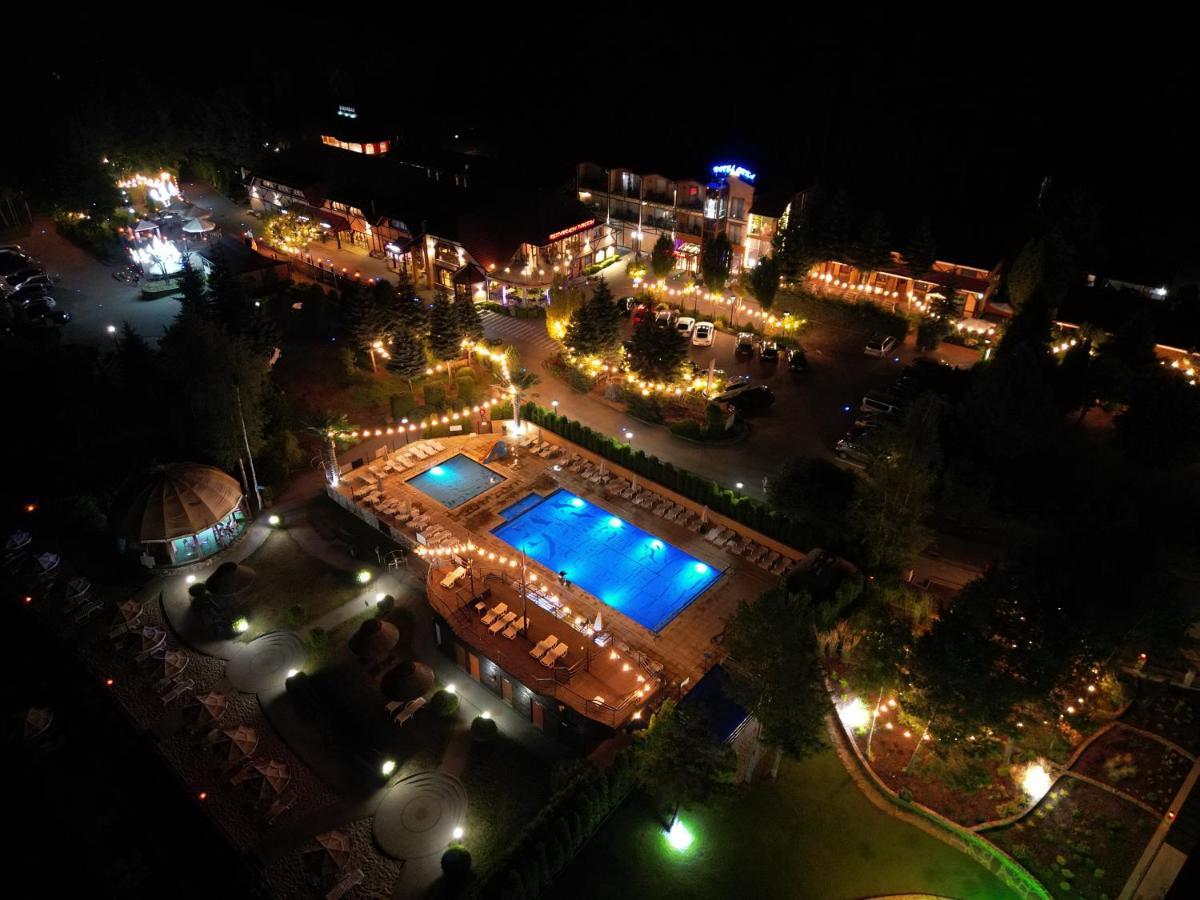
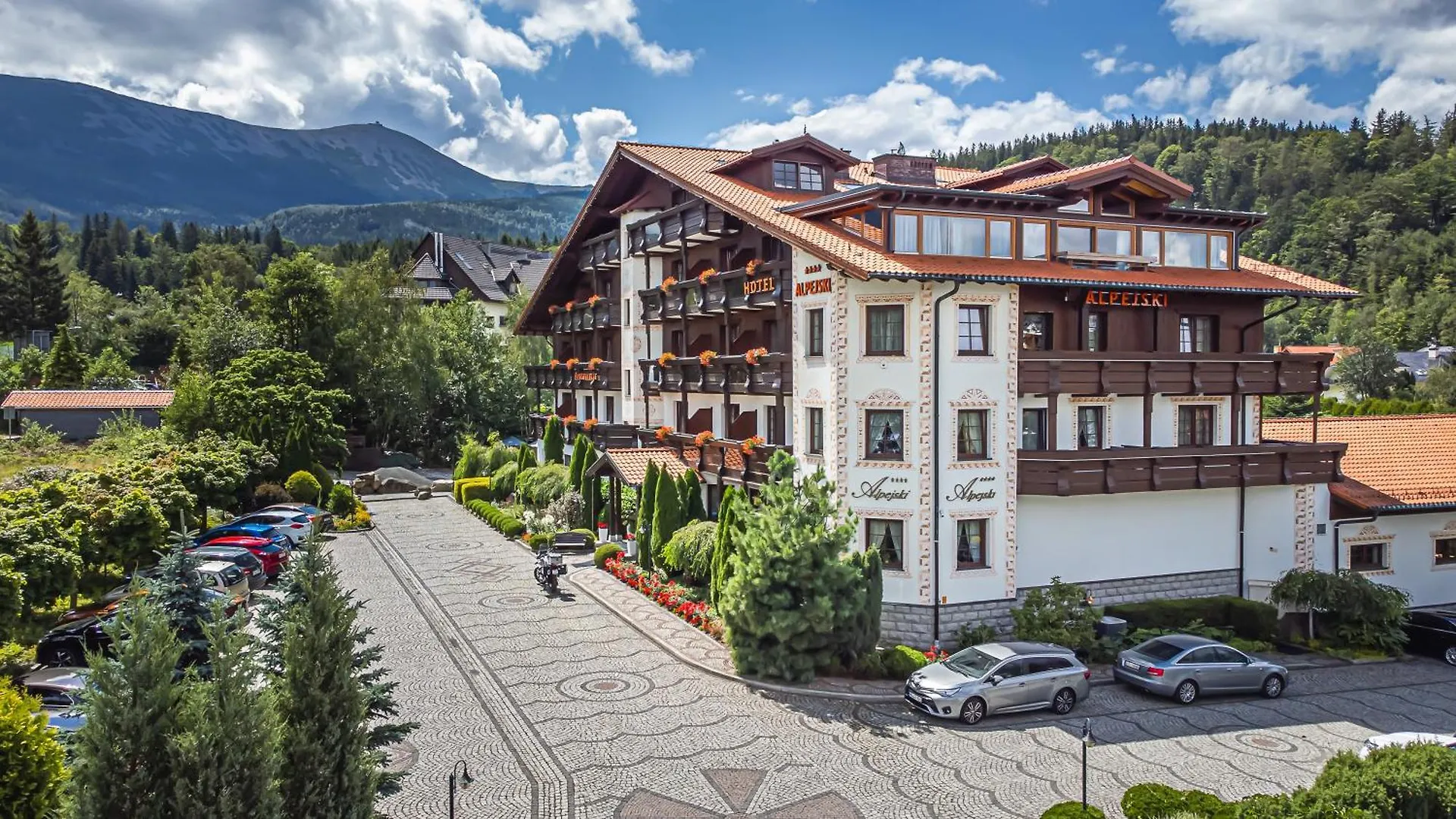
Karpacz sits at the foot of Śnieżka, the highest peak in the Sudeten range, and attracts hikers, cyclists, and skiers depending on the season. Leisure hotels here are built around mountain access and in-house recovery facilities - indoor pools and wellness centres are near-standard in the upper tier of properties.
-
1. Alpejski Boutique Hotel
Show on map


 Check-infrom 14:00 until 23:59Check-outuntil 11:00
Just a few rooms left at the best rate!
fromPLN 412
Leisure Hotels in Gdańsk
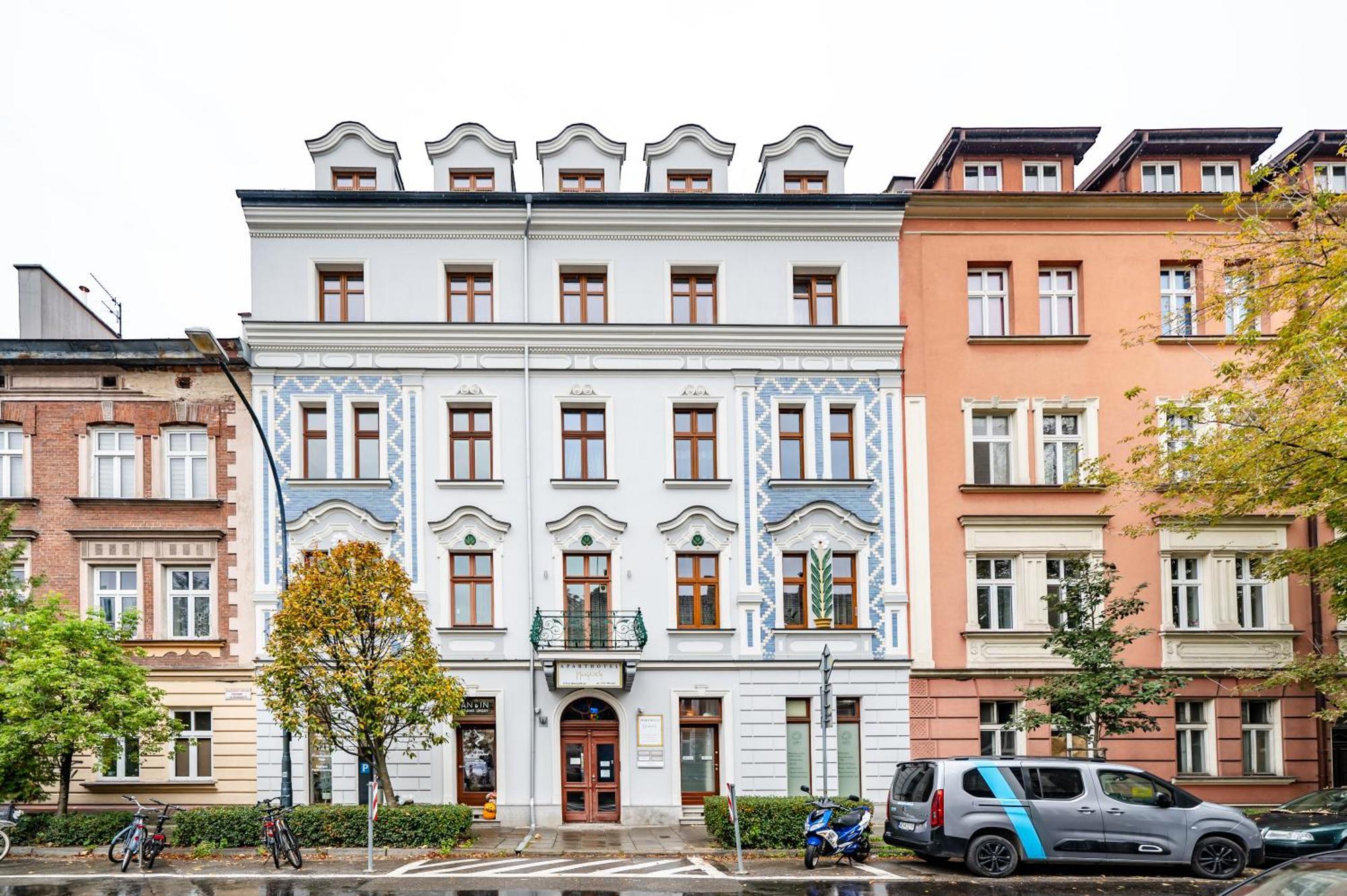
Gdańsk Old Town concentrates Poland's most walkable leisure circuit - the Royal Way, Green Gate, Neptune Fountain, and the Motława riverfront are all within minutes of each other. Hotels positioned on or near Spichrzów Island and Long Market give guests direct access to this circuit without needing transport for most daytime activities.
-
2. Grano Hotel Gdansk Old Town
Show on map


 Check-infrom 15:00 until 23:59Check-outuntil 12:00
Just a few rooms left at the best rate!
fromPLN 260
-
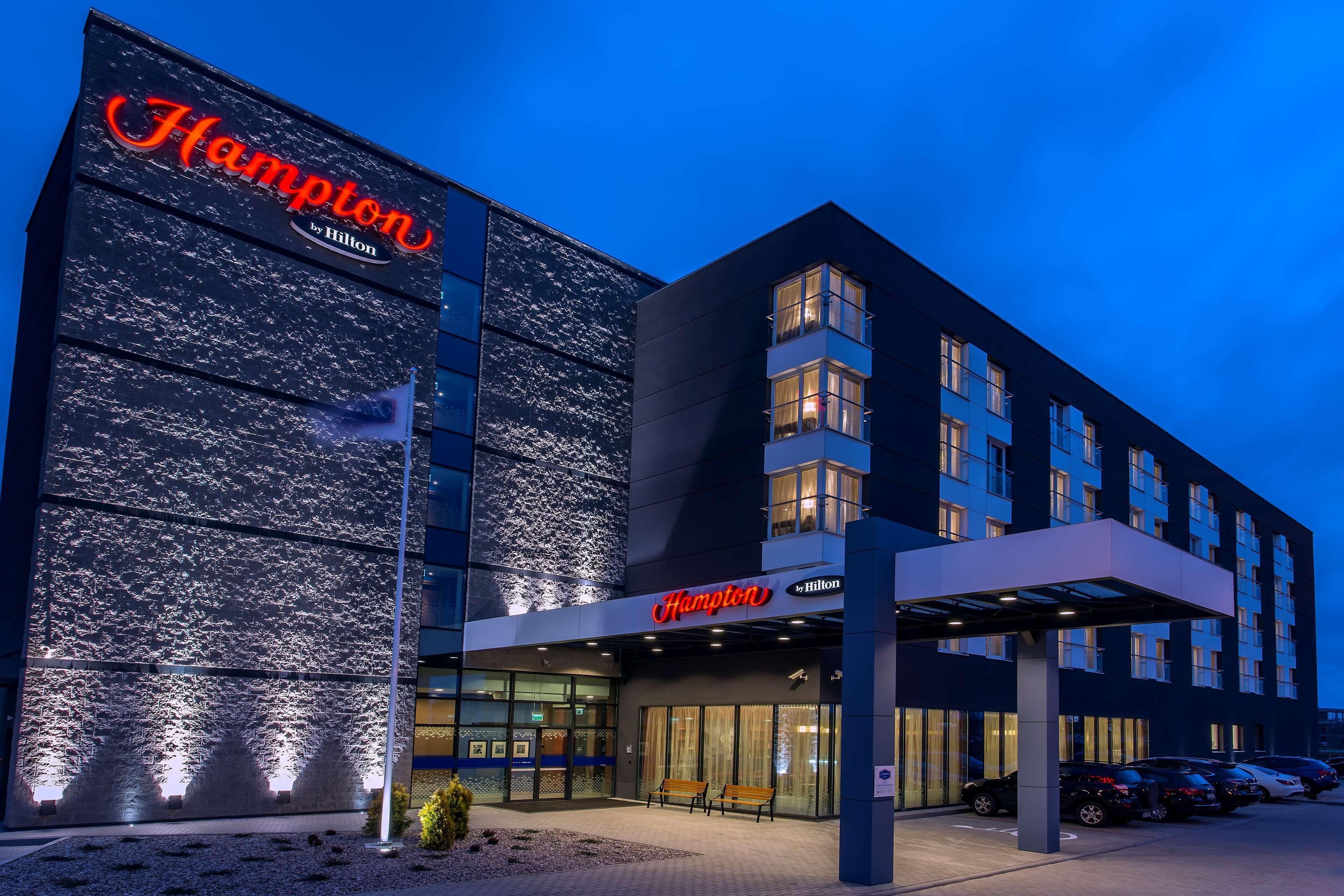
3. Holiday Inn Gdansk - City Centre By Ihg
Show on map


 Check-infrom 15:00 until 23:59Check-outuntil 11:00
Hurry – almost gone at this price!
fromPLN 282
Leisure Hotels in Eastern Poland
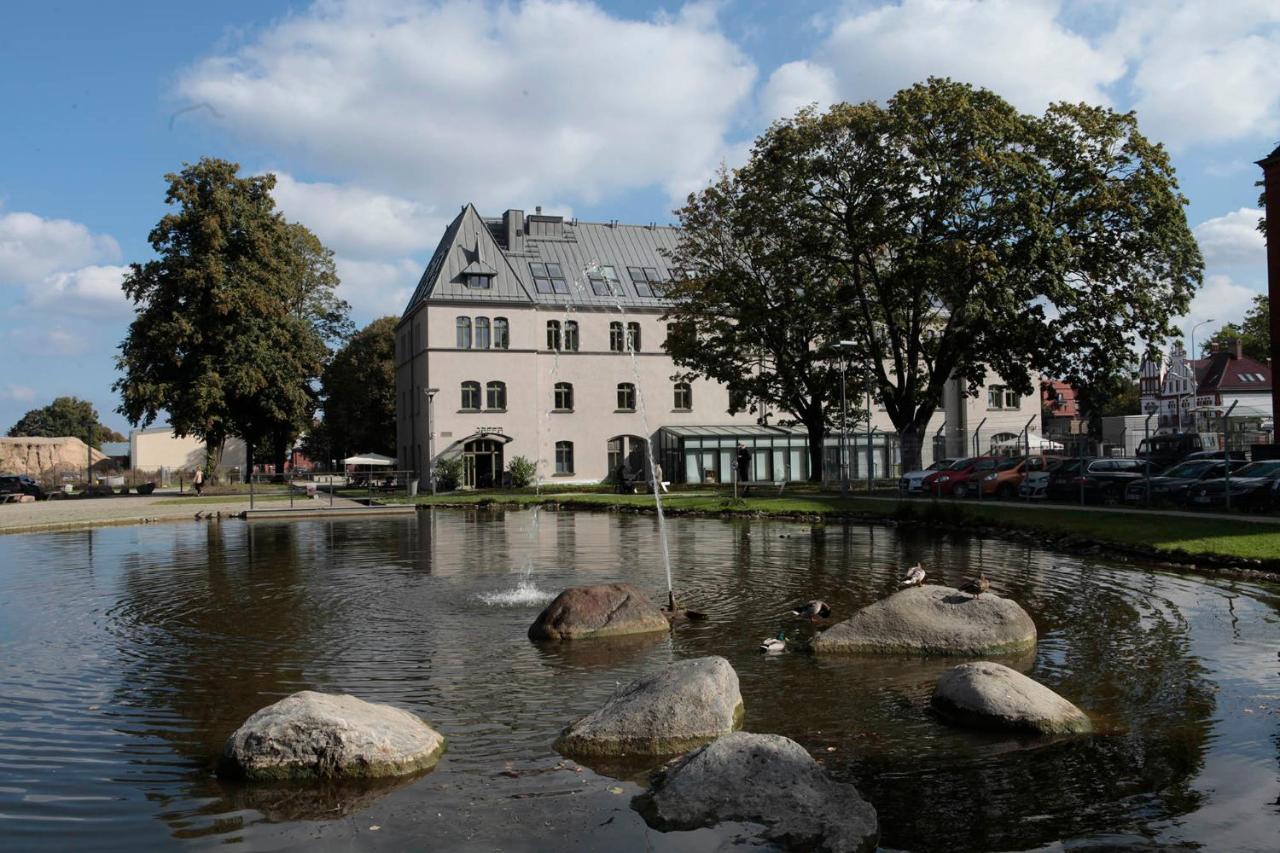
Eastern Poland - particularly the Lublin Voivodeship - remains off the primary tourist circuit, which translates into lower prices, fewer crowds, and access to genuinely unspoiled landscapes including the Roztocze hills and the UNESCO-listed historic centre of Zamość, located around 70 kilometres from Hrubieszów.
-
4. Hotel Platinum Hrubieszow
Show on map


 Check-infrom 14:00 until 23:59Check-outuntil 12:00
Rooms filling fast – secure the best rate!
fromPLN 174
Smart Travel & Timing Advice for Poland
Poland's leisure travel calendar splits clearly into three viable windows. May and September are the strongest months for value and comfort - temperatures are mild across mountain and coastal regions, major attractions are open, and hotel prices run noticeably lower than peak summer rates. July and August drive the highest demand across Gdańsk, Sopot, and mountain resorts like Karpacz and Zakopane, with rooms at well-rated leisure properties selling out weeks in advance for weekends; booking at least 8 weeks ahead is advisable for those months. Winter - December through February - suits Karpacz and Zakopane specifically for skiing, but Gdańsk Old Town in winter is quieter and atmospheric without being cold enough to deter urban sightseeing. A minimum of 3 nights per destination is recommended for leisure stays: shorter visits rarely allow enough time to cover day trips, on-site wellness use, and proper downtime. Last-minute deals exist in eastern Poland destinations like Hrubieszów year-round, but mountain and coastal properties rarely discount during their respective peak seasons.