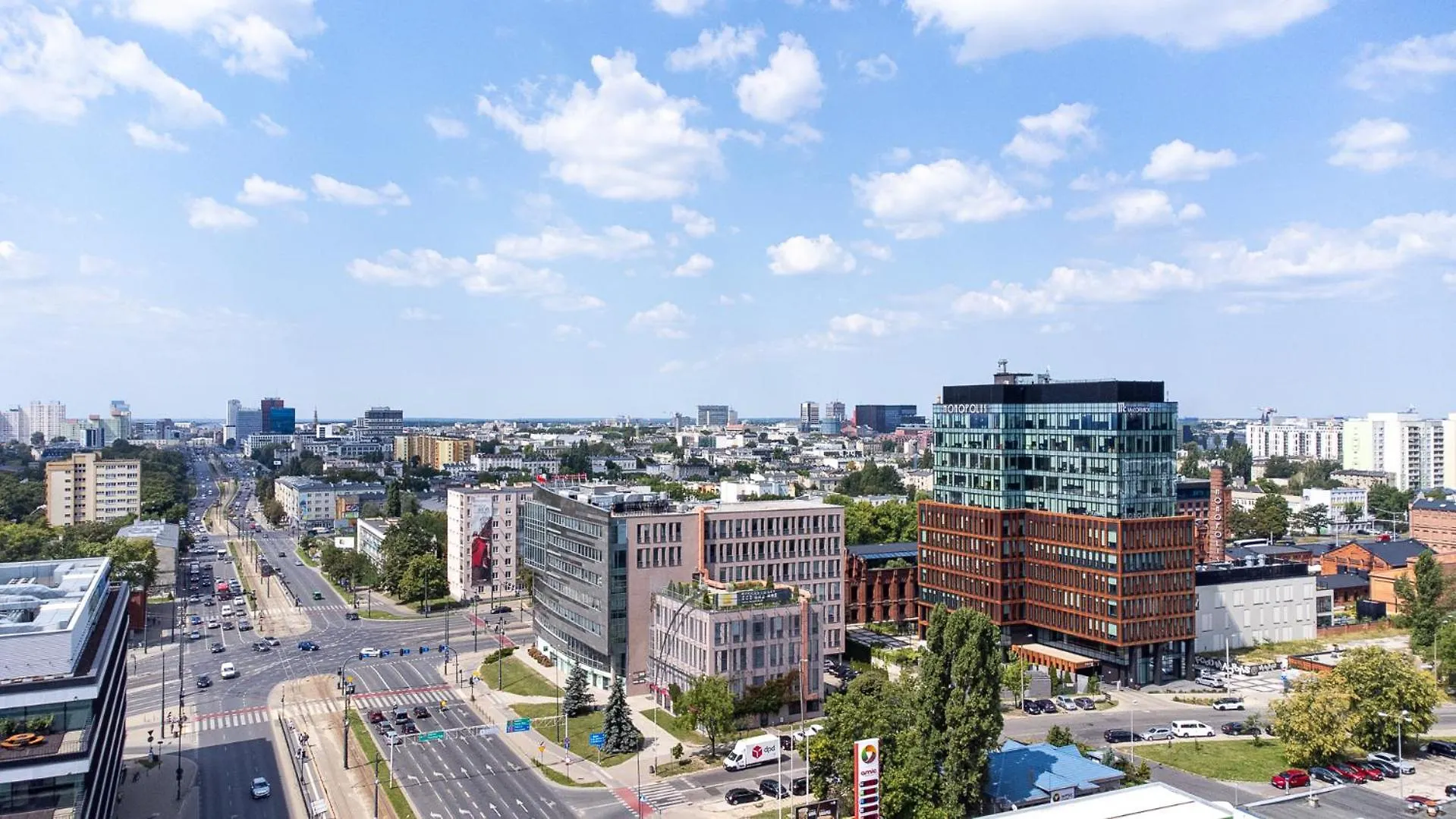
Poland has become one of Central Europe's most compelling destinations for budget-conscious travelers, with hostels that go well beyond the standard dorm-bed formula. From Warsaw's expanding cultural scene to the medieval streets of Lublin and the Kashubian lake district near Gdańsk, the country's hostel network covers both major cities and lesser-known regions - often at prices that make even neighboring Czech Republic look expensive by comparison.
What It's Like Staying in Poland
Poland packs an extraordinary variety into a single country - baroque old towns, communist-era architecture, primeval forests like Białowieża, and a Baltic coastline that sees genuinely warm summers. Warsaw and Kraków dominate tourist traffic, but cities like Łódź, Lublin, and Białystok offer equally rich cultural depth with far fewer crowds and lower day-to-day costs. Hostel guests in Poland tend to benefit from this imbalance: accommodation prices in secondary cities can be around 40% lower than equivalent stays in Warsaw, while still sitting within easy rail reach of major attractions.
Poland's public transport network - especially intercity trains operated by PKP Intercity - makes city-hopping realistic without renting a car. That said, rural highlights like the Kashubian countryside or the Podlasie region near the Belarusian border require more planning. Summer (June-August) is the peak window, when hostels in Kraków and Warsaw fill fast and prices climb accordingly.
Pros:
- Exceptional value compared to Western European destinations, with hostel beds in non-capital cities often available for very accessible nightly rates
- Dense concentration of UNESCO sites, WWII history, and living Jewish heritage within relatively short travel distances
- Well-connected rail network links Warsaw, Łódź, Lublin, and Gdańsk without the need for a car
Cons:
- English signage and spoken English drops sharply outside tourist-heavy areas, making navigation harder in smaller towns
- Rural hostels and guesthouses often have limited check-in hours and may require advance communication
- High-season demand in Kraków and Warsaw means last-minute hostel availability in July and August is genuinely tight
Why Choose Hostel Hotels in Poland
Polish hostels have matured significantly over the past decade - many now offer private en-suite rooms alongside traditional dorms, blurring the line between budget hotel and hostel. Private rooms in Polish hostels frequently undercut standard hotel rates by around 35%, while still providing free WiFi, shared kitchens, and common areas that hotels at the same price point rarely match. This makes them especially practical for solo travelers and extended stays, where cooking in a shared kitchen dramatically cuts food costs in a country where eating out is already affordable.
The trade-off is noise management and bathroom queues. In city-center hostels near nightlife districts - particularly in Warsaw's Praga neighborhood or Łódź's Piotrkowska Street corridor - late-night energy is part of the package. Hostels in residential zones or smaller towns like Chmielno and Sosnowiec tend to operate at a quieter baseline, trading central convenience for a calmer environment and access to outdoor activities.
Main advantages of hostel hotels in Poland:
- Shared kitchens reduce daily food budgets significantly - a major benefit given Poland's excellent but sometimes pricey restaurant scene in tourist zones
- Many Polish hostels offer garden spaces, terraces, or outdoor areas uncommon in urban budget hotels at comparable prices
- Social infrastructure (shared lounges, common areas) supports spontaneous trip planning and local knowledge sharing
Main trade-offs:
- Bathroom-to-guest ratios in shared facilities can become problematic in larger, fully booked hostels during summer peaks
- Some properties listed as hostels operate with limited front desk hours, requiring coordination for late arrivals
- Noise insulation in older Polish buildings converted into hostels is often minimal, making light sleepers vulnerable to corridor and street noise
Practical Booking & Area Strategy for Poland Hostels
Warsaw is the logical base for first-time visitors - it connects to Łódź in under 90 minutes by train, and to Lublin in around 2.5 hours, making day trips feasible without relocating. However, staying in Warsaw itself adds cost: hostel rates in the capital run noticeably higher than in Łódź or Lublin, where the same nightly budget gets you a private room rather than a dorm bed. Łódź is particularly underrated as a hostel base - its revitalized Manufaktura district, National Film School heritage, and direct rail links make it a high-value alternative to Warsaw for travelers spending more than 3 nights in Poland.
For travelers drawn to nature and slower travel, the Kashubian lake district west of Gdańsk offers hostel-style guesthouses with hiking, cycling, and kayaking access - a fundamentally different experience from city hostels. Białystok serves as the best gateway to the Podlasie region, including Białowieża Forest, and its hostels are dramatically quieter and cheaper than those in any major Polish city. For the Upper Silesia region - Katowice, Sosnowiec - hostels are well-positioned for the Spodek arena, Silesia City Center, and cross-city exploration, though the area is industrial rather than scenic.
Hostels in Warsaw & Łódź
Poland's two largest urban centers offer contrasting hostel experiences - Warsaw with its WWII memorials and museum density, Łódź with its gritty creative reinvention and lower overall costs.
-
1. Place4Us
Show on map


 Check-infrom 15:00 until 23:30Check-outfrom 05:00 until 11:00
Just a few rooms left at the best rate!
fromPLN 96
-
2. Najtansze Noclegi Pilsudskiego 93
Show on map


 Check-infrom 14:00 until 22:00Check-outfrom 08:00 until 12:00
Just a few rooms left at the best rate!
fromPLN 119
Hostels in Silesia, Lublin & Eastern Poland
This group spans Poland's industrial heartland, its UNESCO-listed eastern old towns, and the quieter northeastern corridor - three very different travel experiences united by strong hostel value relative to Warsaw pricing.
-
1. Hostel Open Garden
Show on map


 Check-infrom 14:00 until 16:00Check-outfrom 08:00 until 10:00
Just a few rooms left at the best rate!
fromPLN 189
-
2. Hostel Polnocna 61
Show on map


 Check-infrom 12:00 until 23:59Check-outuntil 10:00
Hurry – almost gone at this price!
fromPLN 178
-
5. Mia Mia House
Show on map


 Check-infrom 16:30 until 23:59Check-outfrom 01:00 until 11:00
Hurry – almost gone at this price!
fromPLN 85
-
6. Lublin Old Town Rooms
Show on map


 Check-infrom 14:00 until 22:30Check-outuntil 11:00
Hurry – almost gone at this price!
fromPLN 315
-
5. Villa Margo
Show on map


 Check-infrom 15:00 until 23:59Check-outfrom 04:00 until 11:00
Rooms filling fast – secure the best rate!
fromPLN 275
Kashubian Countryside: Rural Hostel Stay Near Gdańsk
The Kashubian lake district offers a fundamentally different hostel experience - oriented around outdoor activities rather than city sightseeing, with a guesthouse model that includes meals and direct access to hiking and cycling trails.
-
1. Gosciniec Skolimowka Restauracja I Pokoje Ze Sniadaniem Na Kaszubach
Show on map


 Check-infrom 14:00 until 21:30Check-outfrom 11:00 until 12:00
Rooms filling fast – secure the best rate!
fromPLN 275
Smart Travel & Timing Advice for Polish Hostels
Poland's hostel market follows a clear seasonal pattern. July and August are the most competitive months for availability in Warsaw, Kraków, and Gdańsk - hostels in these cities regularly reach full capacity during summer festivals and school holiday periods, and prices can spike by around 40% compared to shoulder season rates. Booking 6 weeks ahead for summer stays in these cities is the minimum reasonable lead time, particularly for private rooms. For secondary cities - Łódź, Lublin, Białystok, Sosnowiec - last-minute availability is more common even in high season, though the best rooms in well-reviewed properties still go early.
May and September represent the strongest overall value window in Poland: temperatures are mild, crowds are thinner, and hostel prices drop noticeably. Winter stays (November-February) are cheapest but require awareness that some rural properties near Gdańsk or in the Kashubian region may reduce services or close entirely outside peak season. For most itineraries, 3 nights per city is a realistic minimum - less than that and transport logistics eat into sightseeing time, especially when connecting between Warsaw, Łódź, and Lublin. Extended Silesia stays benefit from Katowice as a hub, with Sosnowiec reachable by local train in under 20 minutes.