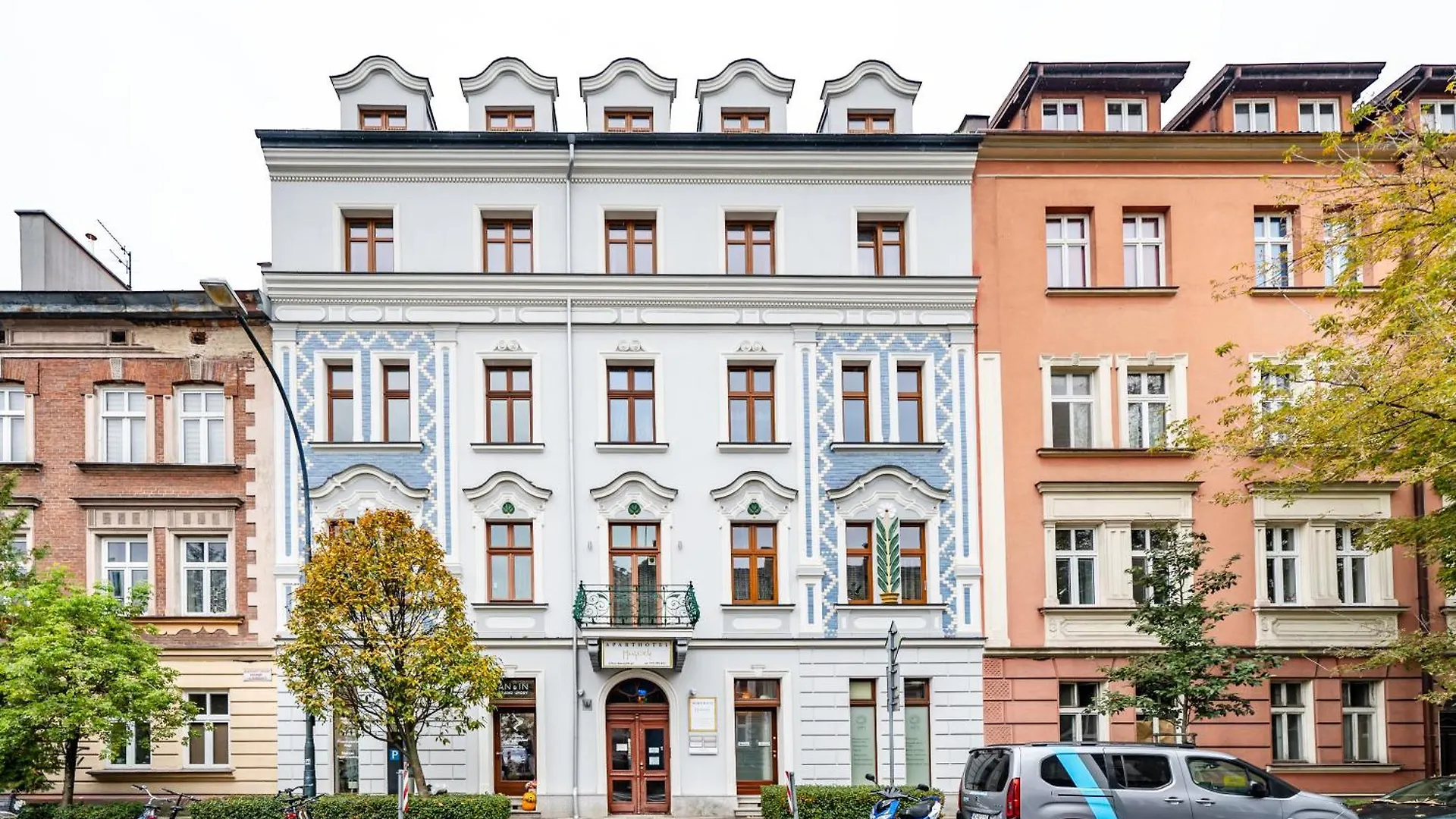
Poland is one of Europe's most underrated destinations for budget travelers - not because it lacks attractions, but because it consistently offers more accommodation value per złoty than most Western European countries. From the medieval streets of Kraków to the Baltic coastline near Gdańsk and the industrial-turned-cultural hub of Katowice, Poland's geography is genuinely diverse. This guide cuts through the noise and focuses on what actually matters when choosing a cheap hotel in Poland: location logic, what you get for the price, and which properties stand out across different Polish cities.
What It's Like Staying in Poland
Poland spans over 312,000 square kilometers, meaning the experience of staying here varies dramatically depending on where you are. Kraków draws the largest share of international tourists with its intact medieval Old Town and Wawel Castle, while Gdańsk pulls visitors to its amber-lit waterfront and Baltic history. Cities like Katowice, Opole, and Gorzów Wielkopolski see far fewer foreign visitors, which means quieter streets, more authentic local life, and noticeably lower prices. Crowd pressure is heavily concentrated in Kraków, especially in summer, while most other Polish cities remain manageable year-round. Rural and lakeside areas like the Suwałki Lake District in northeastern Poland offer a completely different pace - beachfronts, forests, and near-zero tourist density.
Pros:
- Poland's accommodation costs are among the lowest in the EU, with budget hotels frequently offering private rooms at prices that rival hostel dorms in Western Europe
- The country's rail and bus network connects most cities efficiently, making multi-city trips genuinely practical without renting a car
- Historical and natural diversity is exceptional - Tatra Mountains, Białowieża Forest, Masurian Lakes, and UNESCO-listed cities are all accessible on a limited budget
Cons:
- English is not universally spoken outside major tourist centers, which can complicate check-ins at smaller guesthouses in provincial towns
- Public transport frequency drops sharply after 10 PM in smaller cities, making late-night returns from restaurants or bars inconvenient without a taxi
- Some budget properties in rural areas have limited seasonal availability, particularly outside the May-September window
Why Choose Budget Hotels in Poland
Budget hotels in Poland operate in a genuinely competitive market, which forces even entry-level properties to maintain decent standards. Unlike in some Western European countries where cheap means cramped and noisy, Polish budget hotels - particularly in mid-sized cities - frequently include private parking, free Wi-Fi, breakfast options, and en-suite bathrooms as standard. A private room with breakfast at a Polish budget hotel can cost around 60-80 PLN less per night than a comparable room in Prague or Budapest. The trade-off tends to be location: the most affordable properties are often situated 3-6 km from the city center, which requires factoring in local bus or taxi costs. In smaller towns like Hrubieszów, Sędziszów Małopolski, or Łomża, budget hotels are often the only accommodation option - and they sit at a price point that makes them genuinely competitive with any alternative.
Pros:
- Free private parking is standard at most budget hotels outside major city centers, a significant saving compared to urban paid parking
- Breakfast is frequently included or available at low cost, with many properties offering full buffet options rather than a continental tray
- Family rooms with multiple beds are widely available, making budget hotels a practical choice for groups traveling together
Cons:
- City-center budget hotels in Kraków and Gdańsk fill up fast during peak season, and last-minute bookings often push prices into mid-range territory
- Some smaller guesthouses operate with limited front desk hours, which creates complications for late arrivals
- Amenity gaps are common - budget properties rarely offer pools, gyms, or on-site spas, so travelers needing these facilities must plan accordingly
Practical Booking & Area Strategy for Poland
Kraków remains the strategic base for first-time visitors to southern Poland - Wawel Royal Castle, the Kazimierz Jewish District, Auschwitz-Birkenau, and the Wieliczka Salt Mine are all accessible within a day trip. Gdańsk is the strongest base for the Baltic north, with the historic Long Lane, the European Solidarity Centre, and Malbork Castle within reach. For travelers crossing into eastern Poland, Hrubieszów sits close to the Ukrainian border and serves as a transit point toward Zamość - one of Poland's most overlooked UNESCO towns. Katowice anchors the Silesia region, offering access to multiple cities within 30 km via dense regional rail. In northeastern Poland, the Suwałki area near the Lithuanian border is the entry point to Poland's least-visited lake district - a region where budget accommodation comes with genuinely rural surroundings. Booking at least 3 weeks ahead during July and August is non-negotiable for Kraków; elsewhere in Poland, availability remains relatively open even two weeks out.
Budget Hotels in Southern Poland & Kraków Region
Southern Poland - including Kraków, the Małopolska region, and the Podkarpacie area - concentrates the highest density of sights and, accordingly, the widest range of budget accommodation options. Properties here range from aparthotels steps from Wawel Castle to roadside hotels in smaller towns that serve as cost-efficient staging posts for regional exploration.
-
1. Aparthotel Maargick
Show on map


 Check-infrom 15:00 until 23:30Check-outuntil 10:00
Best price guarantee
fromPLN 152
-
2. Hotel Ines
Show on map


 Check-infrom 15:00 until 23:59Check-outuntil 12:00
Hurry – almost gone at this price!
fromPLN 334
-
3. Lesna Chata
Show on map


 Check-infrom 15:00 until 22:00Check-outfrom 07:00 until 11:00
Best price guarantee
fromPLN 215
-
4. Hotel Krzyski
Show on map


 Check-infrom 14:00 until 23:59Check-outuntil 12:00
Best price guarantee
fromPLN 204
Budget Hotels in Central, Western & Northern Poland
Central and western Poland - including Silesia, Greater Poland, and the Lubusz region - offer some of the country's most affordable accommodation outside major tourist corridors. Northern Poland, anchored by Gdańsk on the Baltic coast, adds a different character entirely. These properties serve both business travelers and leisure visitors moving through regions that rarely appear in mainstream Poland travel guides.
-
5. Hotel Diament Economy Gliwice
Show on map


 Check-infrom 14:00 until 23:59Check-outuntil 12:00
Rooms filling fast – secure the best rate!
fromPLN 156
-
6. Willa Natalia
Show on map


 Check-infrom 15:00 until 21:00Check-outfrom 07:00 until 11:00
Best price guarantee
fromPLN 301
-
7. Hotel Fado
Show on map


 Check-infrom 14:00 until 23:59Check-outuntil 12:00
Rooms filling fast – secure the best rate!
fromPLN 197
-
8. Makara
Show on map


 Check-infrom 15:00 until 23:59Check-outfrom 06:00 until 11:00
Hurry – almost gone at this price!
fromPLN 174
-
5. Mercure Opole
Show on map


 Check-infrom 15:00 until 23:59Check-outuntil 12:00
Just a few rooms left at the best rate!
fromPLN 141
-
6. Lofty Kampus Garnizon
Show on map


 Check-infrom 15:00 until 20:00Check-outfrom 08:00 until 12:00
Best price guarantee
fromPLN 115
-
11. Hotel Panorama
Show on map


 Check-infrom 15:00 until 23:59Check-outfrom 07:00 until 12:00
Best price guarantee
fromPLN 260
Budget Hotels in Eastern Poland
Eastern Poland - covering the Lubelskie region, Podkarpacie, and the northeastern lake districts - is where Poland's budget accommodation market is at its most raw and authentic. Hotels here are cheaper, crowds are thinner, and the landscapes range from the Roztocze hills to the Suwałki Lake District near the Lithuanian border. These properties serve travelers looking to move off Poland's standard tourist track.
-
1. Hotel Platinum Hrubieszow
Show on map


 Check-infrom 14:00 until 23:59Check-outuntil 12:00
Just a few rooms left at the best rate!
fromPLN 174
-
13. Metropol
Show on map


 Check-infrom 15:00 until 22:00Check-outfrom 06:00 until 10:00
Just a few rooms left at the best rate!
fromPLN 134
- Show on map
Best price guarantee
-
15. Villa Navigator
Show on map


 Check-infrom 14:00 until 22:00Check-outfrom 06:00 until 11:00
Best price guarantee
fromPLN 174
Smart Travel & Timing Advice for Poland
Poland's tourist season peaks sharply between June and August, with Kraków in particular seeing visitor numbers that push accommodation prices up by around 40% compared to the shoulder months. May and September are the strategic windows for budget travelers - weather is still reliable, crowds are thinner, and hotels in popular cities have more availability at lower rates. In eastern and northeastern Poland, the summer months are also the only practical time to visit lake district properties and rural bed and breakfasts, as many operate seasonally and close from October through April. Gdańsk's peak coincides with the Baltic beach season in July and August, when hotels should be booked at least 4 weeks in advance. For urban stays in Katowice, Gorzów Wielkopolski, Opole, or Szczecin, last-minute bookings are generally feasible outside summer - these cities see relatively stable business travel year-round but rarely hit leisure saturation. Winter stays in Kraków from November through February offer some of the lowest rack rates of the year, and the Christmas market in the Main Market Square runs through late December, making it a high-value seasonal timing for budget travelers who don't mind cold temperatures.