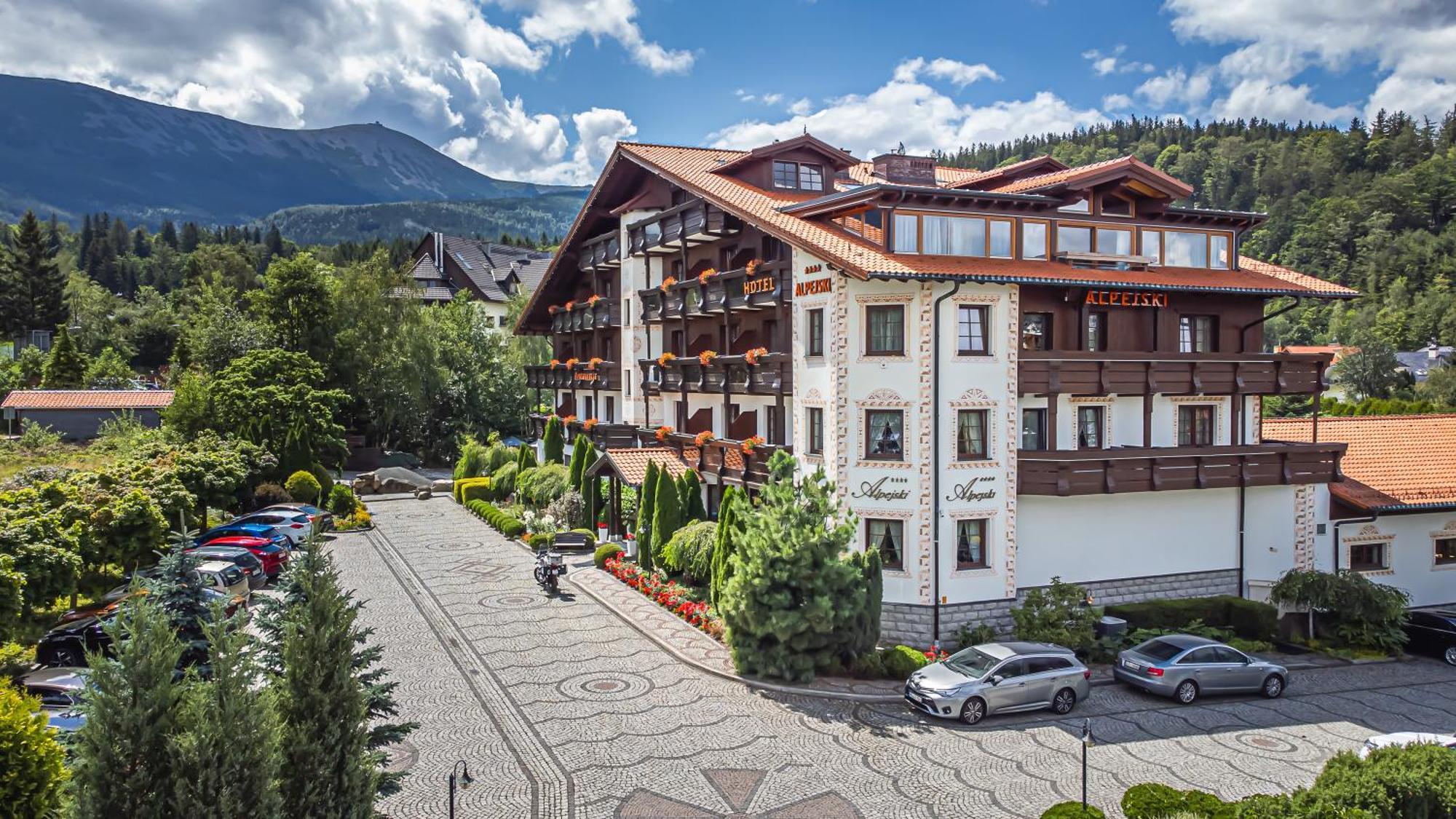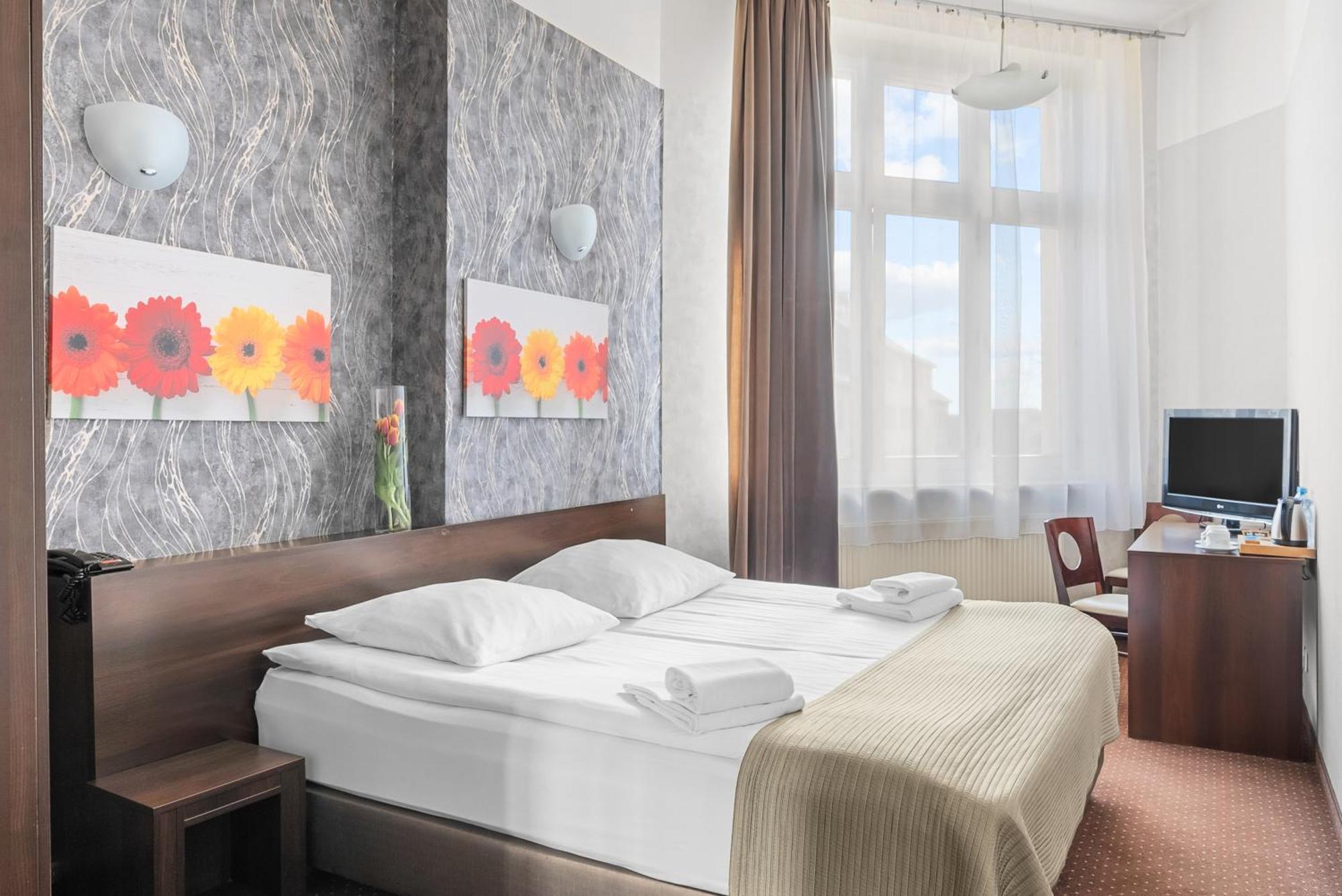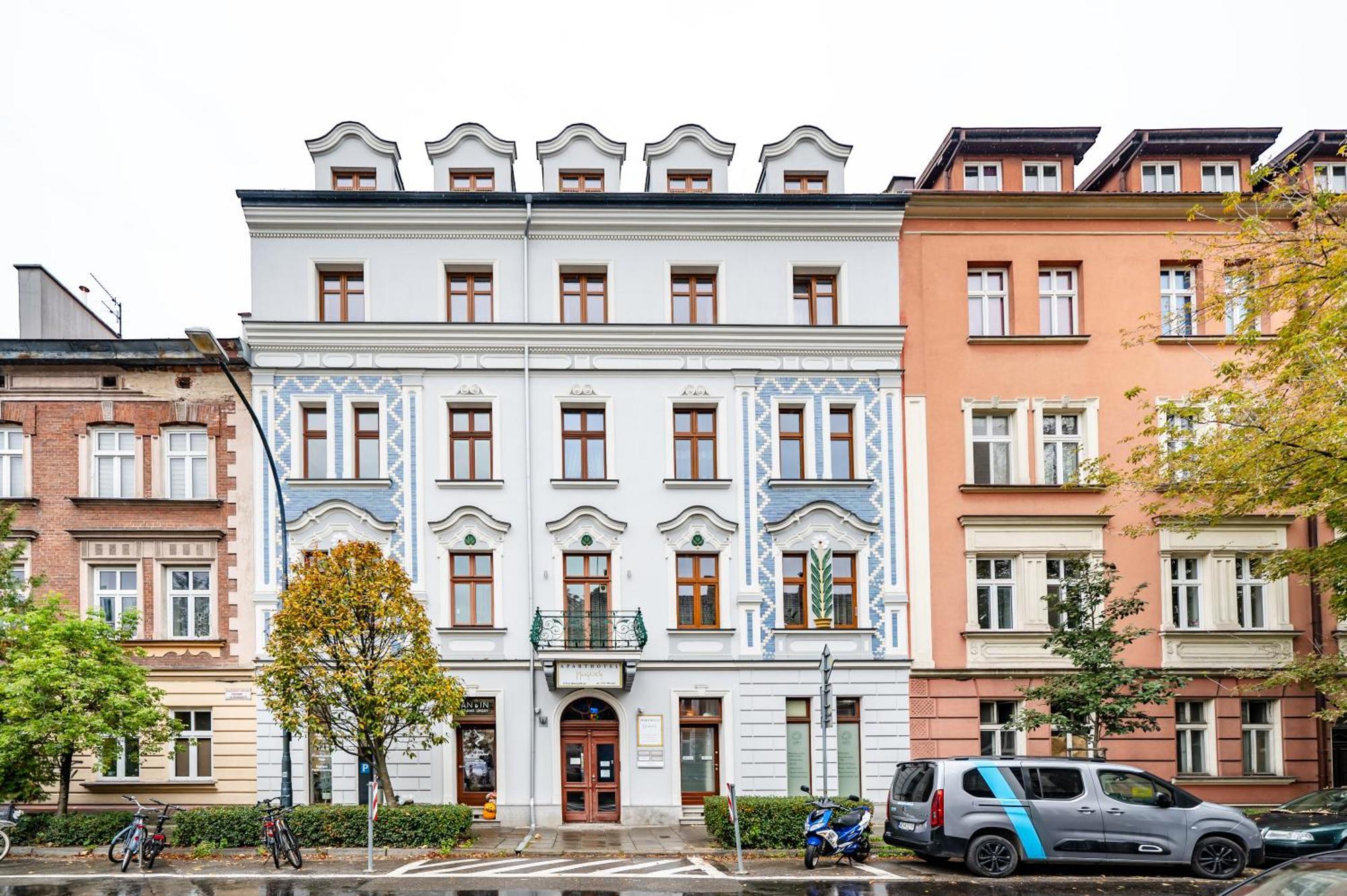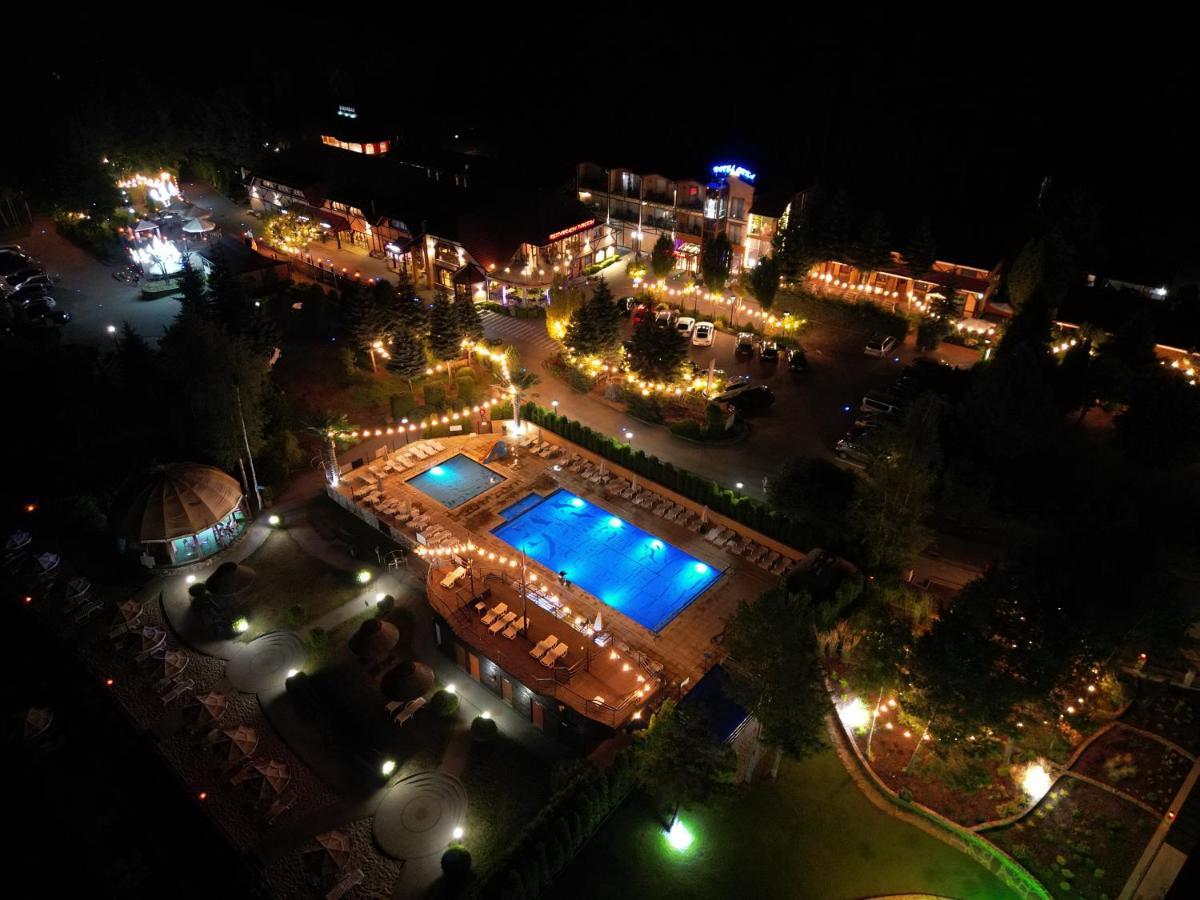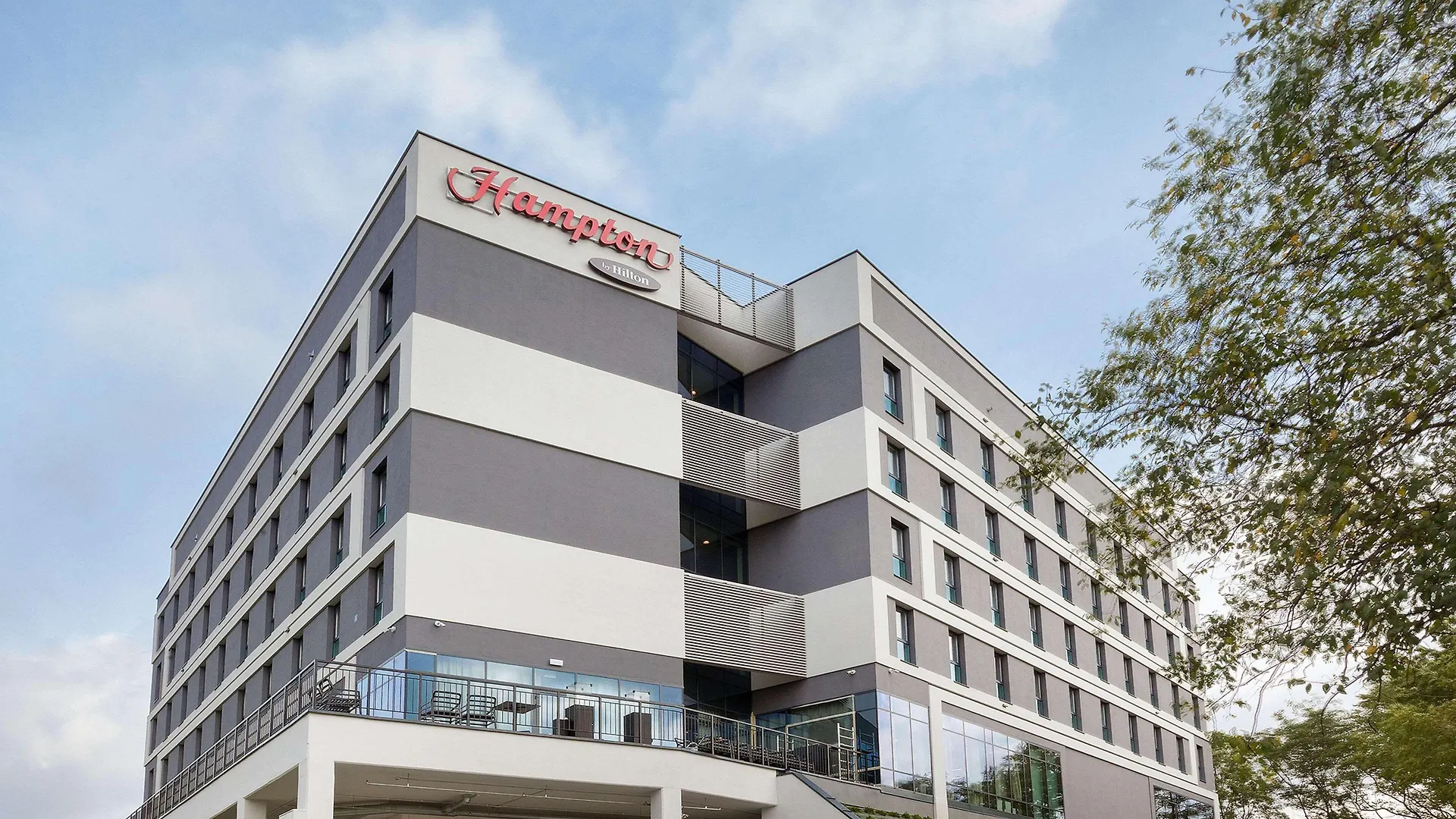
Poland has become one of Central Europe's most active business travel destinations, driven by a growing number of special economic zones, multinational headquarters, and major conference venues spread across cities like Kraków, Lublin, Poznań, and Opole. Whether you're attending a corporate summit in Warsaw's orbit or visiting a manufacturing hub in Mielec, the country's business hotel infrastructure has expanded significantly to meet demand. This guide compares 12 business hotels across Poland - covering location strategy, facilities, and what each property actually delivers for working travelers.
What It's Like Staying in Poland for Business
Poland's major business corridors - Kraków, Wrocław, Poznań, Lublin, and the Mazovian region - are well-connected by rail and road, making multi-city itineraries feasible without relying on domestic flights. Lublin Airport serves the eastern corridor, while Poznań-Ławica connects Greater Poland to Western Europe with direct routes to several EU hubs. Hotel infrastructure in Poland has matured considerably, with international brands and locally managed properties both offering competitive conference facilities and reliable high-speed internet - critical factors for corporate stays.
One practical reality: Polish business travel peaks sharply between September and November, when trade fairs, industry conferences, and government events cluster. Booking accommodation in cities like Kraków or Lublin during these months without advance planning regularly results in limited options and inflated rates. Outside these windows, value is considerably better, especially in mid-size cities like Ostrołęka or Opole.
Pros:
- Strong rail connectivity between major business cities reduces dependence on car hire
- Business hotel rates in secondary Polish cities like Opole or Kalisz are notably lower than Warsaw equivalents with comparable facilities
- Poland's Special Economic Zones (SEZs) in cities like Mielec have purpose-built business hotel clusters within short distances of corporate campuses
Cons:
- English-language signage and staff fluency can be inconsistent outside major urban hotels
- Public transport to business parks and SEZs from city-centre hotels often requires a taxi or car hire
- Weekend conference services and room service availability vary significantly between properties
Why Choose a Business Hotel in Poland
Business hotels in Poland distinguish themselves from standard accommodation primarily through meeting room availability, business centre access, and structured breakfast service timed around early departures - details that generic tourist hotels frequently overlook. Properties affiliated with international chains like Hampton by Hilton typically provide standardised amenities such as 24-hour front desks, fitness centres, and accessible room layouts, which reduce friction for traveling professionals. Independent Polish business hotels, particularly those near SEZs or industrial zones, often compensate with larger parking facilities and closer proximity to corporate clients.
Rate-wise, a quality business hotel in Kraków or Lublin averages around 30% less than a comparable property in Prague or Berlin, making Poland a cost-efficient destination for extended project stays. Room sizes in Polish 4-star business hotels tend to be more generous than Western European equivalents at the same price point, and many properties include features like tea and coffee makers, work desks, and satellite TV as standard - not upsells.
Pros:
- Conference rooms with professional AV equipment are available in multiple properties across different city tiers
- Buffet breakfasts in Polish business hotels are consistently substantial, with warm dishes included as standard at most 4-star properties
- Free private parking is widely available outside major city centres, reducing daily costs for traveling with a rental car
Cons:
- Spa and wellness access, while present in some properties, is not a reliable feature across the full business hotel segment
- Properties in quieter locations like Wierzchowiska or Stare Jabłonki trade urban access for tranquility - not suitable for frequent client meetings
- Airport shuttle services are not universally included and must be confirmed individually per property
Practical Booking and Area Strategy for Business Travelers in Poland
Kraków is the strongest base for business travelers needing a mix of corporate access and cultural entertainment - the city's northern districts provide quick airport connections while remaining within around 5 km of the historic Old Town, keeping evening dining and client hospitality within reach. Lublin anchors the eastern business corridor, particularly relevant for travelers working with agricultural, logistics, or government sectors; Hampton By Hilton Lublin sits 1.5 km from Lublin Old Town and 15 km from Lublin Airport, making it a practical choice for multi-day stays. For travelers operating near Poznań's manufacturing and technology zones, Września-based properties like Ignasiak Hotel provide a quieter, lower-cost base around 58 km from Poznań-Ławica Airport - viable for those with on-site transportation arranged by their host company.
Secondary cities like Opole, Kalisz, and Ostrołęka are underutilised by international business travelers but offer genuine advantages: lower hotel costs, less congested access routes, and properties that cater specifically to corporate groups rather than tourist traffic. Mercure Opole's position 100 metres from Opole Główne railway station is one of the most transport-efficient locations in the Polish business hotel segment, enabling same-day connections to Wrocław and Warsaw. For stays combining wellness and work - common in team retreat formats - Hotel Anders in Stare Jabłonki and Hotel Krasicki in Lidzbark Warmiński offer resort-level facilities while maintaining structured conference infrastructure.
Business Hotels in Lublin and Eastern Poland
Lublin and the surrounding Lubelskie Region serve Poland's eastern business corridor, with hotels ranging from full-service urban properties to manor-style retreats suited for executive stays or off-site corporate events.
-
1. Hampton By Hilton Lublin
Show on map


 Check-infrom 15:00 until 23:59Check-outuntil 12:00
Just a few rooms left at the best rate!
fromPLN 215
-
2. Dwor Sanna
Show on map


 Check-infrom 15:00 until 23:59Check-outuntil 11:00
Just a few rooms left at the best rate!
fromPLN 649
Business Hotels in Kraków and Greater Poland
Kraków and the Greater Poland region host some of Poland's most active corporate travel hubs, with hotels designed to serve both conference delegates and individual business travelers needing airport proximity and urban connectivity.
-
1. Express Krakow Hotel
Show on map


 Check-infrom 15:00 until 23:59Check-outuntil 11:00
Just a few rooms left at the best rate!
fromPLN 200
-
2. Hampton By Hilton Kalisz
Show on map


 Check-infrom 15:00 until 23:59Check-outuntil 11:00
Just a few rooms left at the best rate!
fromPLN 252
-
3. Ignasiak Hotel
Show on map


 Check-infrom 15:00 until 23:59Check-outfrom 01:00 until 11:00
Hurry – almost gone at this price!
fromPLN 341
Business Hotels in Central and Western Poland
Opole, Gorzów Wielkopolski, and the Łódź region anchor business travel in central and western Poland, with properties catering to both transit travelers and those on extended corporate assignments in industrial or administrative centres.
-
1. Mercure Opole
Show on map


 Check-infrom 15:00 until 23:59Check-outuntil 12:00
Hurry – almost gone at this price!
fromPLN 141
-
7. Hotel Fado
Show on map


 Check-infrom 14:00 until 23:59Check-outuntil 12:00
Hurry – almost gone at this price!
fromPLN 197
-
3. Hotel Wodnik
Show on map


 Check-infrom 15:00 until 23:59Check-outuntil 11:00
Hurry – almost gone at this price!
fromPLN 156
Business Hotels in Northern and Eastern Poland
Northern and eastern Poland - spanning Warmia-Masuria, Mazovia, and Podkarpacie - hosts business hotels that combine corporate functionality with regional distinctiveness, from a historic castle hotel to a sports-adjacent property in a major SEZ city.
-
1. Hotel Krasicki
Show on map


 Check-infrom 16:00 until 23:59Check-outuntil 12:00
Rooms filling fast – secure the best rate!
fromPLN 638
-
2. Korona Hotel
Show on map


 Check-infrom 14:00 until 23:59Check-outuntil 12:00
Rooms filling fast – secure the best rate!
fromPLN 364
-
11. Hotel Anders
Show on map


 Check-infrom 16:00 until 23:59Check-outuntil 12:00
Rooms filling fast – secure the best rate!
fromPLN 516
-
4. Hotel Polski
Show on map


 Check-infrom 14:00 until 23:59Check-outuntil 11:00
Rooms filling fast – secure the best rate!
fromPLN 549
Smart Timing and Booking Strategy for Business Stays in Poland
Poland's corporate calendar creates distinct demand spikes that directly affect hotel availability and pricing. September through November is the peak period for conferences, trade fairs, and industry events, particularly in Kraków, Lublin, and Poznań - booking accommodation fewer than 3 weeks in advance during this window regularly leads to limited room availability in business-grade properties. January through March represents the quietest period, with rates in secondary cities like Opole or Kalisz dropping noticeably and conference room availability at its most flexible.
For stays in resort-style business properties like Hotel Anders or Hotel Krasicki, summer months attract leisure travelers and can compete with corporate bookings for spa and meeting room slots - early booking remains advisable even outside the autumn conference season. A minimum of 2 nights is practical for most project stays given travel times between Polish cities; 3 to 4 nights becomes the norm for SEZ-adjacent stays in Mielec or regional capitals like Ostrołęka where the working context requires multiple client visits. Last-minute booking in Poland's secondary business cities can occasionally yield discounts, but this strategy is unreliable during regional trade fairs and agricultural or industrial sector events that don't always appear in mainstream conference calendars.