Podlaskie is one of Poland's least-touristed yet most rewarding regions - home to the primeval Białowieża Forest, the Suwałki Lake District, and the multicultural capital Białystok. Whether you're exploring UNESCO-listed wilderness, cycling along the Rospuda River valley, or attending a conference in Białystok's city centre, finding the right centrally located hotel shapes your entire experience. This guide covers 7 hotels across Podlaskie's key towns, with honest assessments of location, facilities, and who each property suits best.
What It's Like Staying in Podlaskie
Podlaskie stretches from the urban grid of Białystok in the west to the remote lake-studded landscapes near Suwałki and the Lithuanian border in the northeast. Public transport between towns is limited, so most visitors rely on a rental car to move between the region's main draws - Białowieża Forest, Wigry National Park, and the Suwałki Landscape Park. Białystok itself functions as the main logistical hub, with a train station connecting to Warsaw in around 2 hours, while smaller towns like Łomża and Suwałki are better reached by road.
Crowd levels remain low compared to Kraków or Warsaw - even during summer peak season, popular sites like the Białowieża bison reserve feel uncrowded. Accommodation fills up fastest in July and August, particularly near the lakes and forest. Budget travelers and nature-focused visitors gain the most from basing themselves here; those expecting urban nightlife or dense transport networks may find the pace too slow.
Pros:
- Low tourist density even in peak summer means easier access to national parks and UNESCO sites without advance reservations weeks ahead
- Białystok offers genuine multicultural character - Orthodox churches, Tatar mosques, and Branicki Palace all within walking distance of central hotels
- Hotel prices across Podlaskie run significantly lower than Warsaw or Kraków equivalents, with solid 4-star options available at mid-range rates
Cons:
- Inter-city bus and train connections within Podlaskie are infrequent, making a car almost mandatory for multi-destination itineraries
- English-language signage and services become sparse outside Białystok, especially in rural guesthouses and small-town restaurants
- Winters are harsh with temperatures regularly dropping well below freezing, limiting outdoor activity options considerably from November through March
Why Choose Central Hotels in Podlaskie
Central hotels in Podlaskie sit in a practical middle ground: they offer proximity to key urban landmarks, transport nodes, and dining - without the premium pricing found in major Polish cities. In Białystok, a centrally located hotel puts you within walking reach of Branicki Palace, Kościuszki Market Square, and the main shopping galleries, eliminating taxi costs that quickly accumulate in spread-out cities. Room rates at central 3- and 4-star hotels in Białystok average around 30% less than comparable properties in Warsaw, while still delivering full amenities like fitness centres, on-site restaurants, and conference facilities.
Outside Białystok, "central" takes on a different meaning - in Suwałki, a centrally placed hotel means you're near the Aquapark and cultural centre; in smaller towns like Łomża, it means access to the Old Town without needing a vehicle for every errand. Trade-offs include occasional noise from main roads in Białystok's busier corridors, and the fact that some properties marketed as "central" still require a car to reach the region's main natural attractions like Białowieża or Wigry.
Pros:
- Central positioning in Białystok allows walkable access to the city's main cultural and historical sites, saving on daily transport costs
- On-site restaurants at central hotels in Podlaskie frequently feature regional Polish cuisine - bison dishes, cold cuts, and Podlaskie dairy - which is a genuine draw
- Conference and business facilities are widely available at centrally located hotels, making them practical for combined work-and-leisure trips
Cons:
- Central locations in Białystok can mean traffic noise, particularly on rooms facing main arteries like Lipowa Street or the ring roads
- Central hotels outside Białystok offer fewer walkable dining and entertainment options compared to the regional capital
- Some central Podlaskie hotels lack direct public transport links to key natural attractions, so a rental car remains a near-essential add-on cost
Practical Booking & Area Strategy for Podlaskie
Białystok is the most logical base for first-time visitors to Podlaskie - it sits at the region's geographic and transport centre, with direct rail links to Warsaw and road access to both Białowieża (around 60 km west) and Suwałki (around 130 km north). If your primary goal is Białowieża Forest, staying in Białystok means an early-morning drive to beat tour groups at the UNESCO reserve entrance. For the Suwałki Lake District and Wigry National Park, basing yourself in Suwałki town is more practical, as the lakes are within 20 km of the centre.
Łomża appeals to travelers passing through the Narew River valley or visiting the Łomża Landscape Park. Book at least 6 weeks ahead for July and August, particularly for properties near Białowieża and the Suwałki lakes, where room supply is thin. The shoulder seasons of May-June and September are arguably the best time to visit - temperatures are mild, forests are lush, and prices drop noticeably. Białystok's Branicki Palace, the Podlaskie Opera, and the Army Museum are all accessible on foot from centrally located hotels in the city, making evening cultural visits straightforward without transport logistics.
Best Value Central Hotels in Podlaskie
These properties deliver strong location value and practical amenities at accessible price points - well-suited to travelers prioritising access to town centres, nature gateways, or regional cuisine without paying premium rates.
-
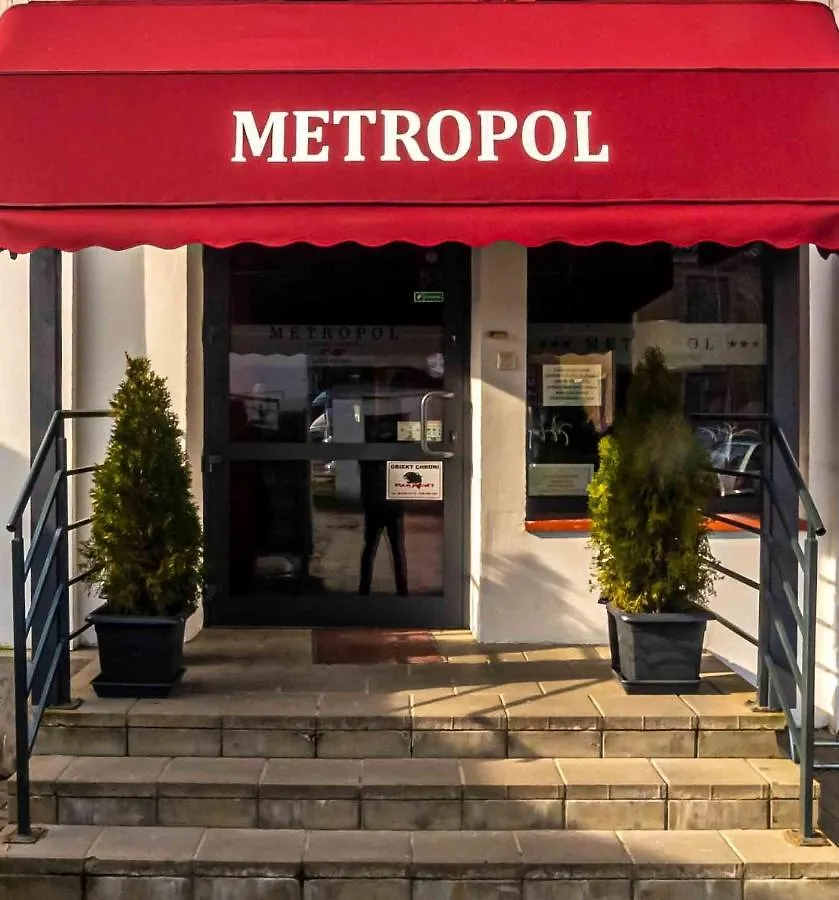
1. Metropol
Show on map


 Check-infrom 15:00 until 22:00Check-outfrom 06:00 until 10:00
Just a few rooms left at the best rate!
fromPLN 134
-
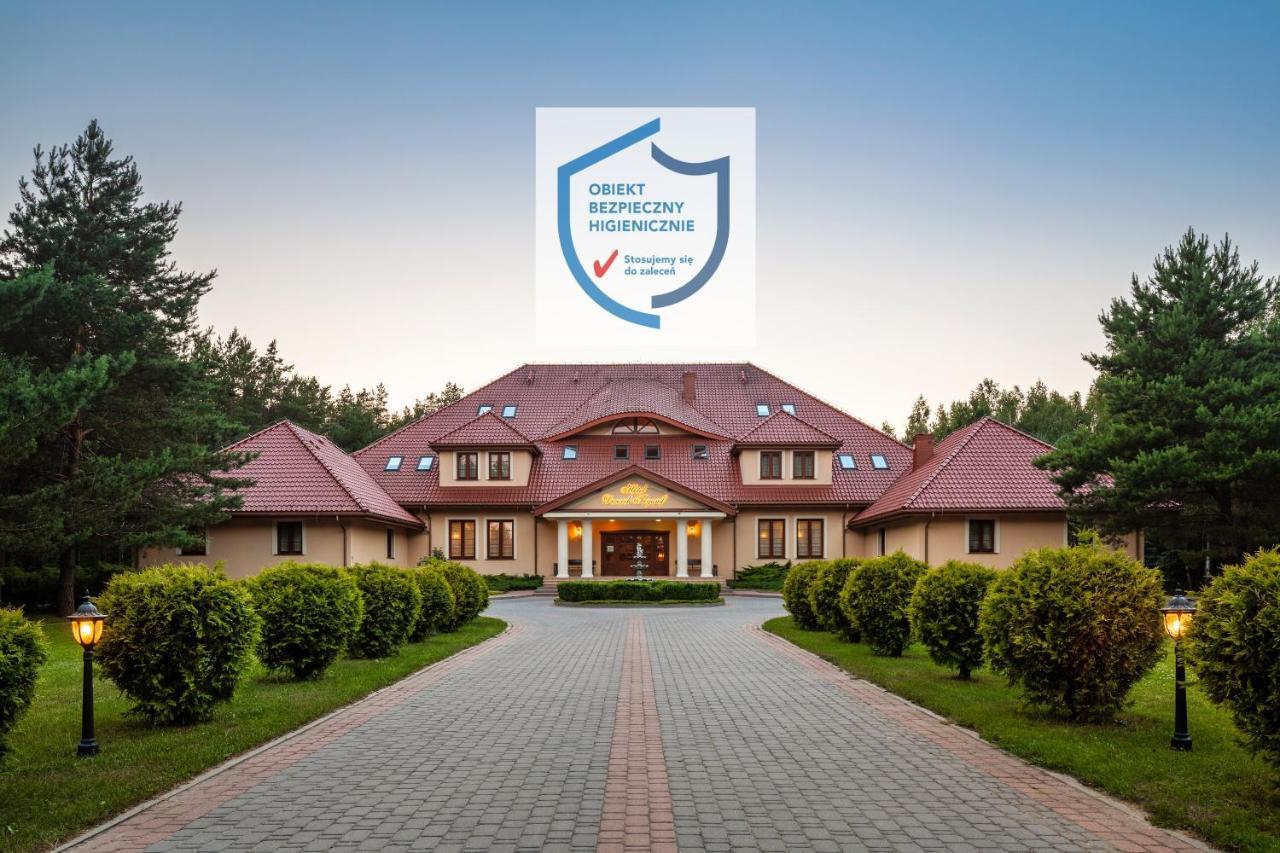
2. Hotel - Dworek Tryumf
Show on map


 Check-infrom 15:00 until 23:30Check-outfrom 10:00 until 11:00
Just a few rooms left at the best rate!
fromPLN 341
- Show on map
Best price guarantee
Best Premium Central Hotels in Podlaskie
These properties combine strong city-centre or landmark positioning with elevated facilities - spas, wellness centres, branded standards, or historically significant buildings - suited to travelers who want more than a functional overnight stop.
-
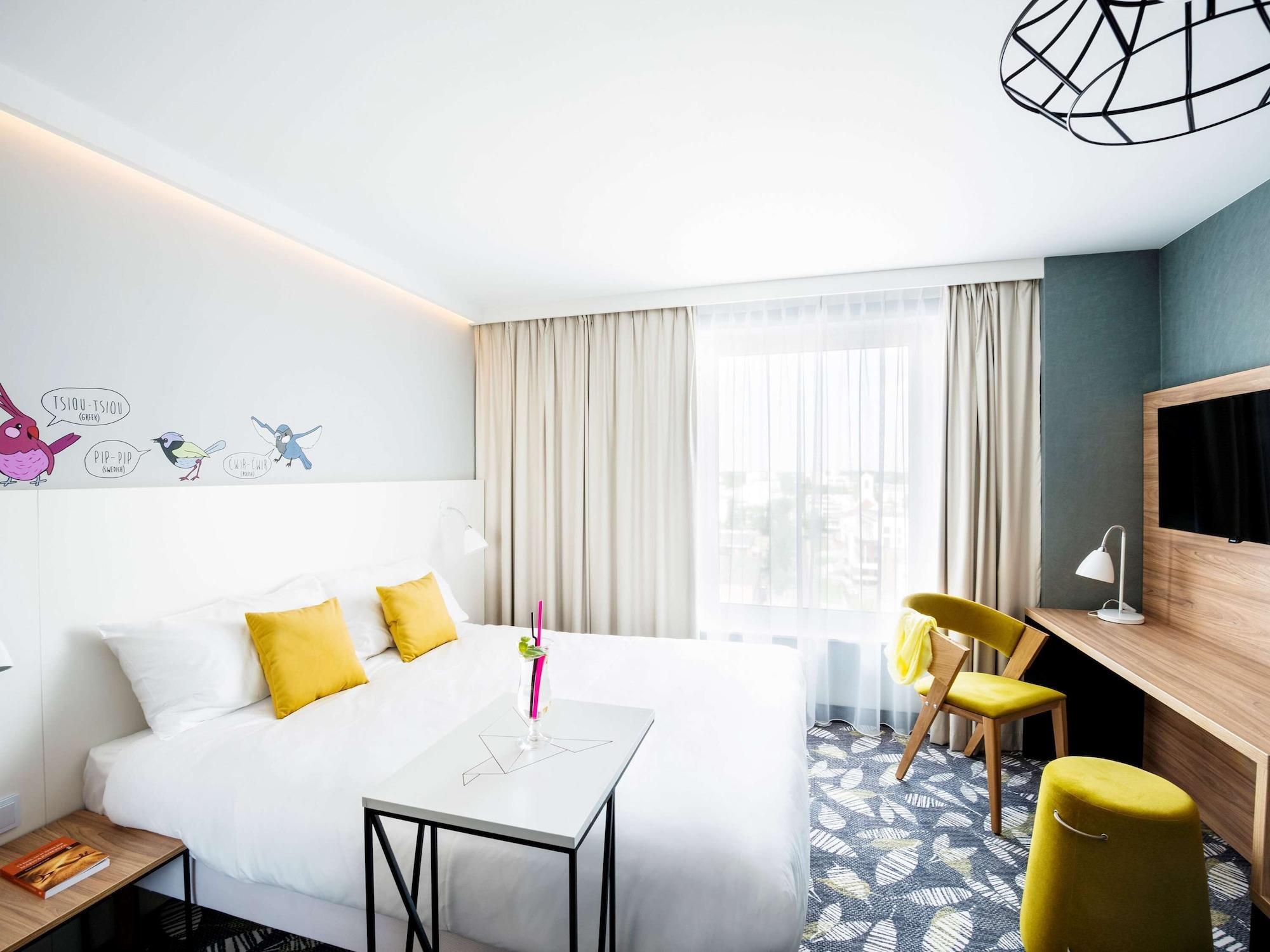
4. Ibis Styles Bialystok
Show on map


 Check-infrom 15:00 until 23:59Check-outuntil 12:00
Hurry – almost gone at this price!
fromPLN 223
-
5. Hampton By Hilton Bialystok
Show on map


 Check-infrom 15:00 until 23:59Check-outuntil 12:00
Hurry – almost gone at this price!
fromPLN 330
-
6. Hotel Loft 1898
Show on map


 Check-infrom 15:00 until 23:59Check-outuntil 11:00
Rooms filling fast – secure the best rate!
fromPLN 289
-
7. Hotel Bialowieski Conference, Wellness & Spa
Show on map


 Check-infrom 16:00 until 23:59Check-outuntil 11:00
Rooms filling fast – secure the best rate!
fromPLN 456
Smart Travel & Timing Advice for Podlaskie
July and August are peak season across Podlaskie - lake-area properties near Suwałki and forest hotels near Białowieża fill quickly, and prices rise by around 25% compared to the spring shoulder season. May and June offer the best balance: forest wildlife is active, bison are visible in Białowieża, and temperatures are warm enough for cycling and kayaking the Czarna Hańcza River without summer crowds. September is excellent for foliage in Białowieża and cooler hiking conditions in the Suwałki Landscape Park, with hotel rates returning to off-peak levels.
For Białystok city-centre hotels, there is no strong seasonal price spike - the city functions year-round as a business and administrative hub. Łomża and rural guesthouses are less predictable, so booking at least 6 weeks in advance for summer is a safe baseline. A minimum of 3 nights is recommended if you're combining Białystok with a day trip to Białowieża; add 2 more nights in Suwałki if you plan to explore the lake district. Last-minute deals are rare near the UNESCO forest in summer - early booking is the only reliable strategy for that specific area.