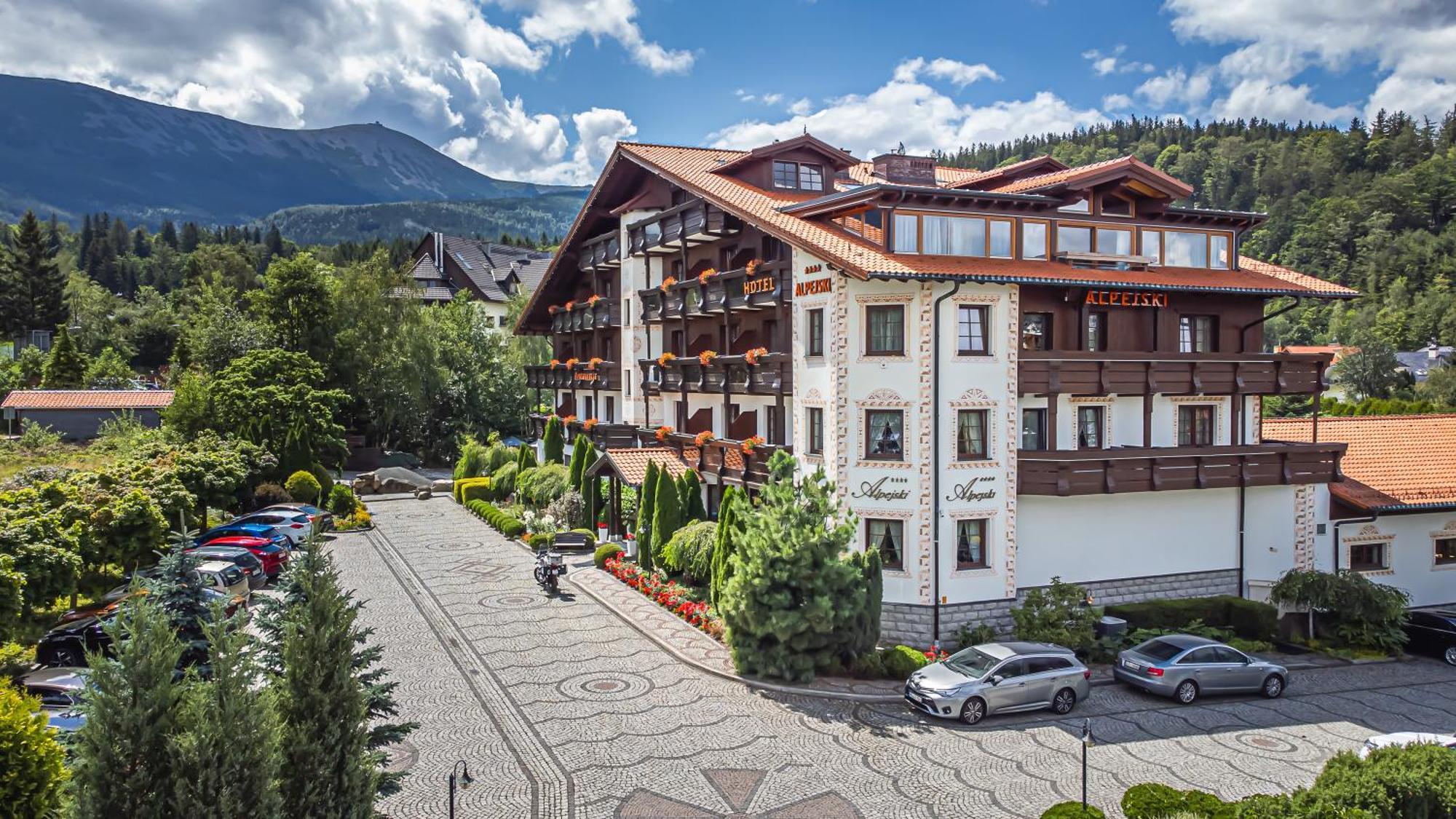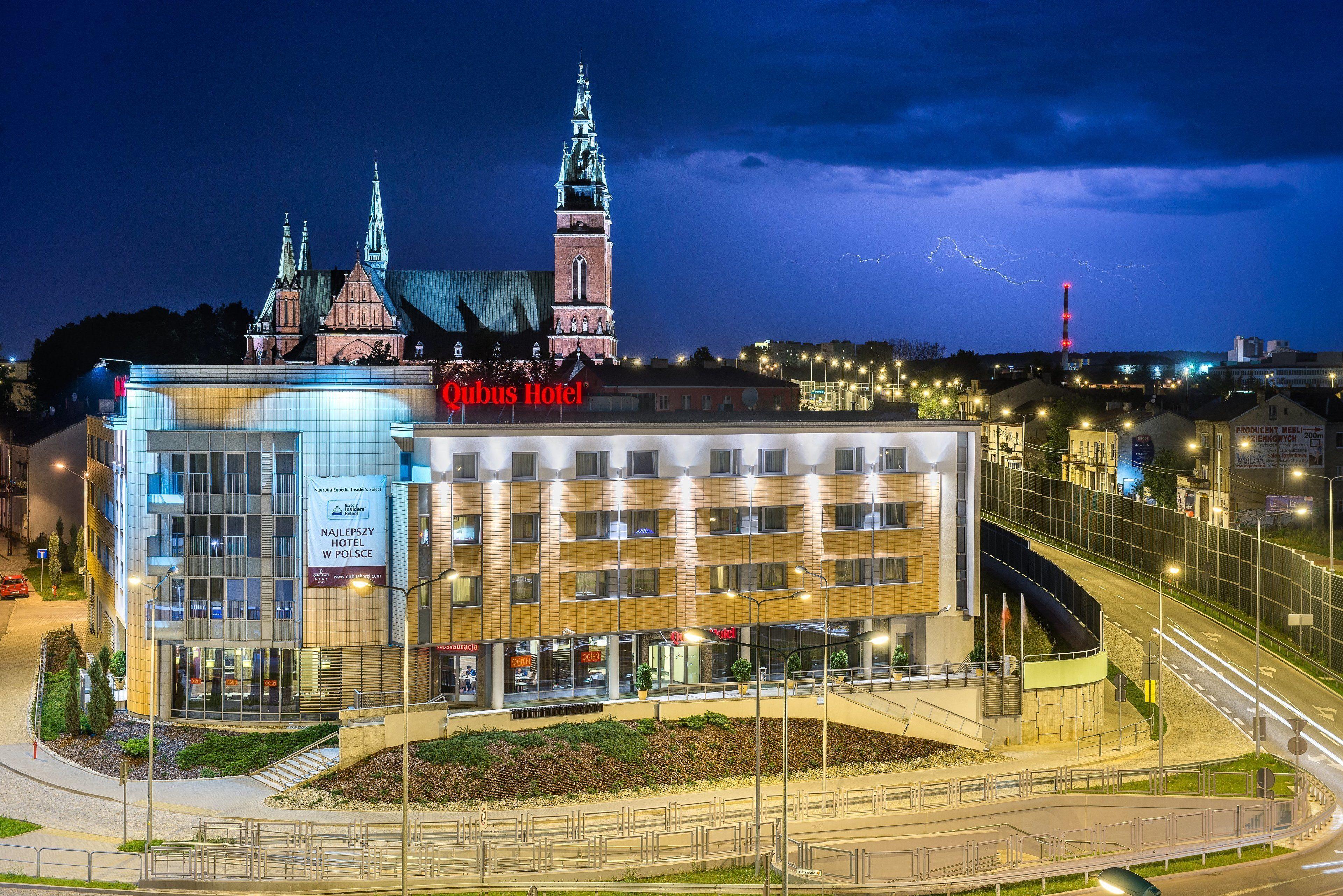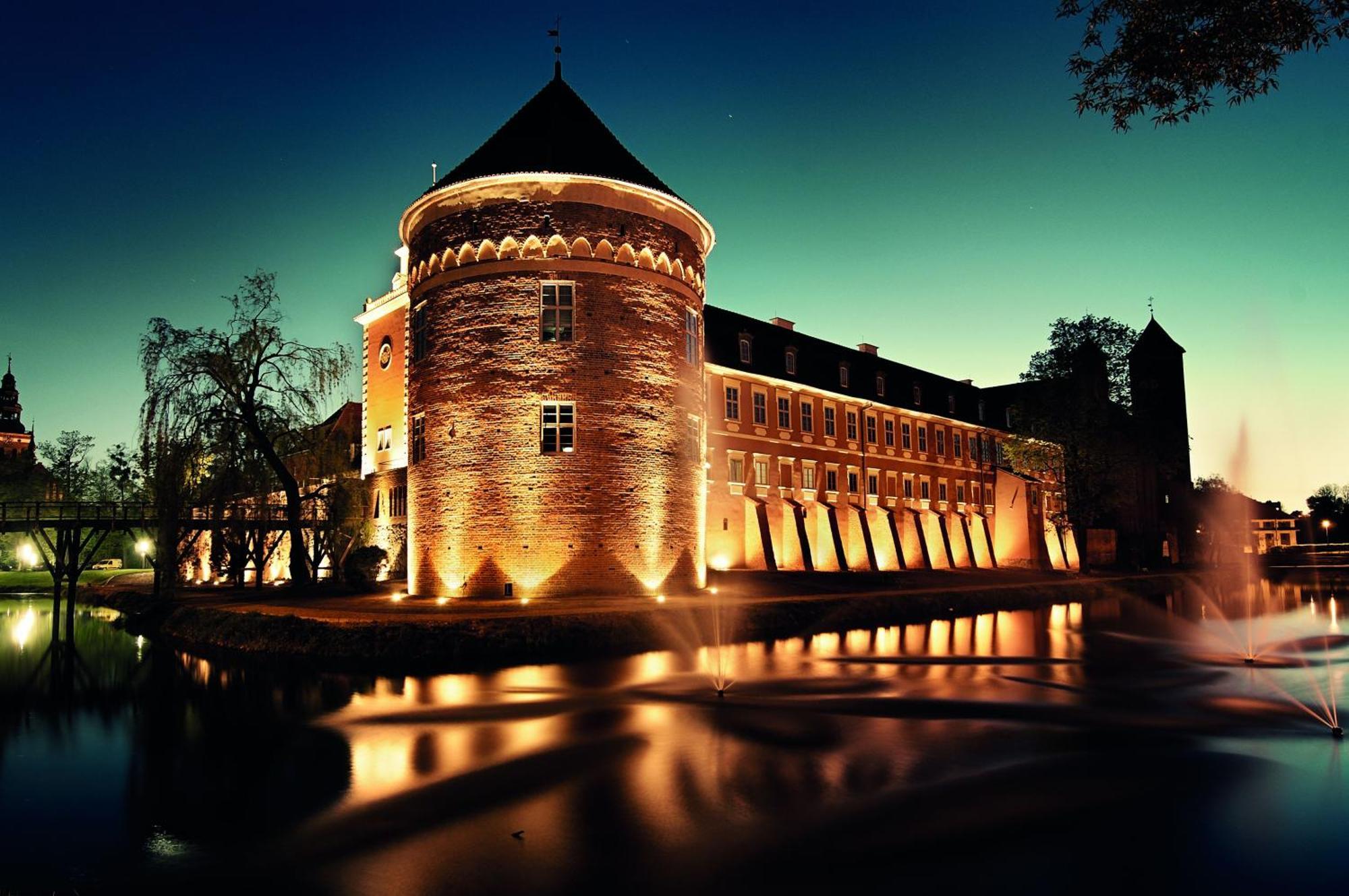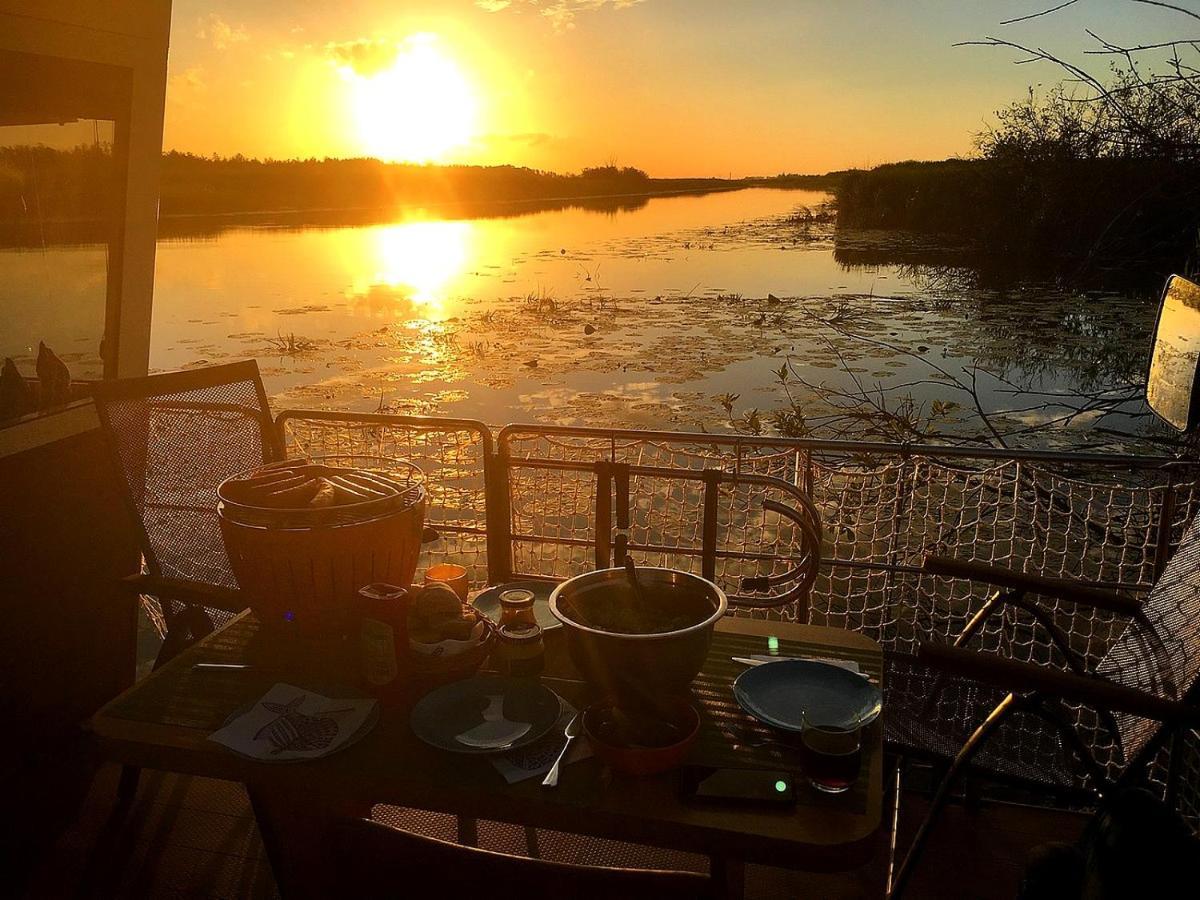
Poland's central hotels put you within walking distance of railway stations, market squares, and cultural landmarks - a real advantage in cities where distances between sights can surprise first-time visitors. From Szczecin on the Baltic coast to Tarnów near the Carpathians, this guide covers 15 properties across different regions, helping you match the right hotel to the right destination.
What It's Like Staying in Poland
Poland spans a remarkably varied geography - from the Masurian lake district and Białowieża Forest in the east to the Tatra Mountains in the south and the Baltic coastline in the north, all connected through cities built on centuries of Central European history. Warsaw, Kraków, Wrocław, and Gdańsk are the main tourist hubs, but cities like Kielce, Gliwice, and Tarnów offer authentic urban experiences with far fewer crowds. Visitor density in the most popular corridors, particularly Kraków's Old Town, can spike dramatically in summer, making base location a key planning decision.
Staying centrally in a Polish city typically means direct access to the main market square (Rynek), the nearest PKP railway station, and the tram network - which in cities like Katowice and Kielce is the primary local transport. Poland's city centres tend to be compact and walkable once you're inside them, but around 70% of attractions cluster within 2 km of the central square, so positioning matters.
Pros:
- Dense concentration of UNESCO heritage sites, medieval old towns, and modernist architecture across multiple regions
- Excellent intercity rail connections mean you can stay in one city and day-trip efficiently to others
- Central hotel prices in secondary cities remain competitive compared to Western European equivalents
Cons:
- Summer weekend crowds in Kraków and Gdańsk can make central areas feel congested and noisy at night
- English signage outside tourist zones is limited, particularly in smaller cities like Hrubieszów or Nowa Słupia
- Public transport frequency drops sharply after 22:00 in most Polish cities outside Warsaw
Why Choose Central Hotels in Poland
Central hotels in Poland offer a structural advantage that matters more here than in many Western European countries: Polish cities are often built around a single, dense historical core, meaning a central address translates directly into walkable access to the main cathedral, market square, railway station, and dining streets without needing a taxi or tram for every outing. Unlike resort or suburban properties, centrally located hotels in Poland keep you inside the action and eliminate the logistical friction that can erode travel time. In cities like Gliwice, Tarnów, and Zielona Góra, a central hotel often costs only marginally more than peripheral options while saving significant daily commuting time.
Room sizes in Polish central hotels vary more than the category label suggests - a 4-star property in Kielce or Katowice will typically offer larger rooms than a comparable-category hotel in Kraków's Old Town, where real estate constraints push footprints down. Breakfast quality tends to be strong across the board; Polish hotel breakfasts at the 3-star and 4-star level regularly include regional produce, cold cuts, and hot dishes. Noise levels in pedestrianised central zones on Friday and Saturday nights can be significant - worth checking before booking street-facing rooms in cities with active nightlife districts.
Pros:
- Walking distance to rail stations makes intercity travel frictionless without requiring a car or taxi
- Polish 4-star central hotels frequently include fitness centres, pools, and full breakfast in the room rate
- Secondary Polish cities offer genuine central addresses at around 40% lower nightly rates than Kraków or Warsaw equivalents
Cons:
- Parking in true city-centre locations often requires paid underground garages, adding daily cost
- Street-facing rooms in pedestrian zones can be loud until midnight on weekends
- Some central properties in smaller cities have limited food and drink options after 22:00
Practical Booking & Area Strategy
Poland's cities divide into clear tiers for visitors with different priorities. Katowice functions as the transport hub of Silesia - staying centrally there gives access to the wider Silesian agglomeration by tram and regional rail, including Gliwice, which is around 30 minutes away by train. For nature-focused stays, the Masurian Lake District around Lake Bełdany and the Piska Forest has no rail access; a car is essential, and booking accommodation directly on the lake saves significant daily transfer time. Busko-Zdrój and Ciechocinek are Poland's most established spa towns, attracting both wellness tourists and medical visitors - properties here book out weeks ahead in spring and early autumn, the peak treatment seasons.
For cultural itineraries covering southern Poland, Tarnów makes a strategically underrated base: it sits on the main Kraków-Rzeszów rail corridor, has its own Renaissance market square, and hotel rates run significantly below Kraków levels. The Holy Cross Mountains region around Kielce and Nowa Słupia suits hikers and those interested in Świętokrzyski National Park but requires a car for most excursions. Book at least 6 weeks ahead for any central hotel during the August peak and around major trade fairs at Targi Kielce, which create sharp local demand spikes across the Kielce hotel market.
Central Hotels in Northern & Western Poland
Szczecin, Zielona Góra, and the Masurian Lake District represent Poland's northern and western accommodation corridor - from the Oder riverside to the forest lakes of Warmia-Masuria, each location serves a distinctly different travel purpose and guest profile.
-
1. Radisson Blu Szczecin
Show on map


 Check-infrom 15:00 until 23:59Check-outuntil 12:00
Hurry – almost gone at this price!
fromPLN 308
-
2. Hotel Zajazd Kultury, Dawniej Pocztowy
Show on map


 Check-infrom 14:00 until 22:00Check-outuntil 12:00
Best price guarantee
fromPLN 327
-
3. Hotel Mazurski Raj
Show on map


 Check-infrom 16:00 until 23:59Check-outuntil 11:00
Best price guarantee
fromPLN 189
Central Hotels in Silesia & Lesser Poland
Silesia and Lesser Poland form Poland's most densely connected southern corridor - Katowice and Gliwice anchor the industrial-cultural Silesian agglomeration, while Tarnów, Kielce, and the Subcarpathian region offer central bases with far lower visitor pressure and strong rail or road links into the broader region.
-
4. Novotel Katowice Centrum
Show on map


 Check-infrom 15:00 until 23:59Check-outuntil 12:00
Hurry – almost gone at this price!
fromPLN 352
-
2. Hotel Diament Plaza Gliwice
Show on map


 Check-infrom 14:00 until 23:59Check-outuntil 12:00
Hurry – almost gone at this price!
fromPLN 208
-
3. Hotel Tarnovia
Show on map


 Check-infrom 15:00 until 23:59Check-outfrom 11:00 until 12:00
Just a few rooms left at the best rate!
fromPLN 252
-
4. Grand Chotowa Hotel Spa & Resort
Show on map


 Check-infrom 15:00 until 23:59Check-outuntil 11:00
Best price guarantee
fromPLN 352
Central Hotels in the Holy Cross Region & Eastern Poland
The Holy Cross Mountains (Świętokrzyskie), the spa towns of Busko-Zdrój and Ciechocinek, and the Lublin uplands represent a less-trafficked but distinct arc of central and eastern Poland - where the hotel offering skews toward wellness, nature access, and regional culture rather than urban sightseeing.
-
1. Hotel Binkowski
Show on map


 Check-infrom 16:00Check-outuntil 12:00
Rooms filling fast – secure the best rate!
fromPLN 501
-
2. Qubus Hotel Kielce
Show on map


 Check-infrom 15:00 until 23:59Check-outuntil 12:00
Just a few rooms left at the best rate!
fromPLN 330
-
10. Bristol Art & Medical Spa
Show on map


 Check-infrom 15:00 until 23:59Check-outuntil 12:00
Best price guarantee
fromPLN 382
-
4. Boutique Odyseja & Spa
Show on map


 Check-infrom 14:00 until 23:59Check-outuntil 11:00
Rooms filling fast – secure the best rate!
fromPLN 330
-
12. Willa Czarownica
Show on map


 Check-infrom 14:00 until 23:59Check-outfrom 10:00 until 11:00
Rooms filling fast – secure the best rate!
fromPLN 568
-
6. Dwor Sanna
Show on map


 Check-infrom 15:00 until 23:59Check-outuntil 11:00
Best price guarantee
fromPLN 649
-
14. Hotel Platinum Hrubieszow
Show on map


 Check-infrom 14:00 until 23:59Check-outuntil 12:00
Just a few rooms left at the best rate!
fromPLN 174
-
15. Uroczysko Siedmiu Stawow Luxury Hotel
Show on map


 Check-infrom 14:00 until 23:59Check-outuntil 12:00
Just a few rooms left at the best rate!
fromPLN 638
Smart Travel & Timing Advice for Poland
Poland's peak hotel demand concentrates in July and August, when domestic and international visitors converge on the lake districts, mountain resorts, and Baltic coast simultaneously. During this window, properties like Hotel Mazurski Raj on Lake Bełdany and Grand Chotowa near Tarnów fill weeks in advance, and prices at lakeside and resort properties can rise sharply. May and September are the tactically strongest months for central city hotels across Poland: crowds thin, temperatures remain comfortable for walking city centres, and rates across secondary cities like Gliwice, Tarnów, and Kielce drop noticeably.
Spa towns operate on a different calendar - Busko-Zdrój and Ciechocinek see peak demand in April, May, and September when guests book multi-day treatment packages rather than single overnight stays. For those planning treatment-focused visits to Bristol Art & Medical Spa or Boutique Odyseja & Spa, booking at least 6 weeks ahead is the reliable minimum. Winter stays in central Polish cities from November through February offer the lowest room rates of the year and an authentic, uncrowded urban atmosphere, though Christmas markets in Wrocław, Kraków, and Poznań create brief but intense demand spikes in December. A minimum of 2 nights is the practical baseline for any city - most central Polish hotels offer better value per night on stays of 3 nights or longer, especially at 4-star properties that include breakfast, pool, and fitness access in the rate.