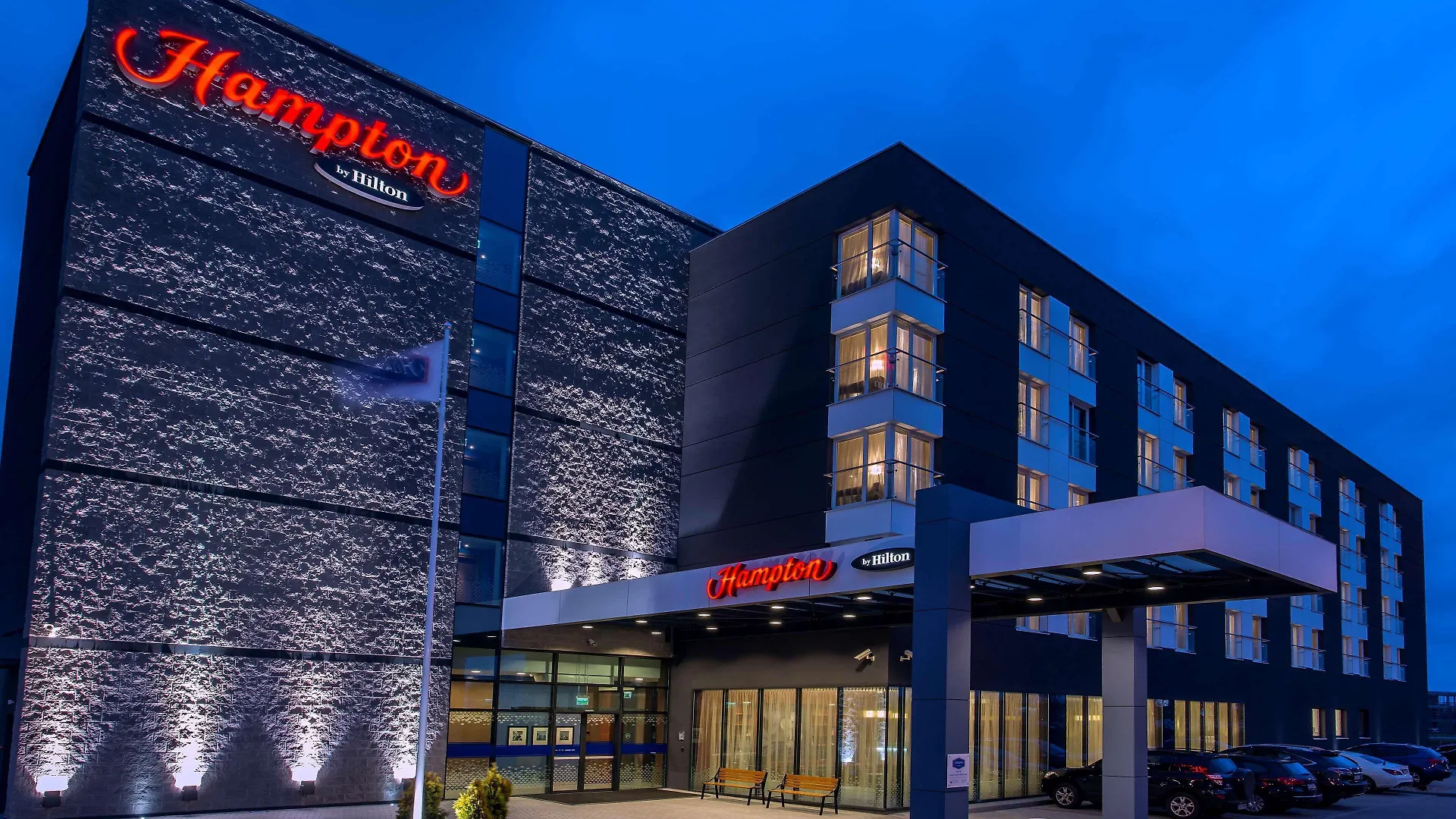
Hampton by Hilton has built a consistent presence across Poland, with properties positioned in city centres, historic districts, and airport corridors. Whether you're crossing the country for business or exploring lesser-known Polish cities, these four hotels offer a reliable mid-scale standard with brand-guaranteed amenities - fitness centres, free Wi-Fi, and buffet breakfasts - in destinations that reward slower exploration.
What It's Like Staying in Poland
Poland is one of Central Europe's most geographically and culturally layered countries - from the medieval streets of Kraków's Old Town and the Baltic coastline near Gdańsk, to the underexplored eastern cities like Lublin and Białystok, which draw far fewer tourists despite having genuine historical depth. Crowd patterns vary sharply by region: Warsaw and Kraków attract the bulk of international visitors, while cities like Kalisz or Białystok remain largely domestic travel territory, offering a quieter and more local experience. Hotel prices across Poland are among the most competitive in the EU, with mid-range branded hotels typically costing around 40% less than equivalent properties in Western Europe.
Poland rewards travellers who move beyond the obvious circuit. Its train and road network connects most major cities efficiently, and the country's size means you can reach multiple distinct regions - Mazovia, Greater Poland, Lublin Upland, Podlachia - within a single trip. That said, English is less widely spoken outside Warsaw and Kraków, and public transport in smaller cities can require extra planning.
Pros:
- Exceptionally competitive hotel pricing compared to Western European equivalents
- Rich architectural heritage in cities like Lublin, Kalisz, and Białystok that see very little international tourist congestion
- Strong rail and road infrastructure makes multi-city itineraries highly practical
Cons:
- English proficiency drops significantly outside Warsaw, Kraków, and Gdańsk
- Some cities have limited evening dining options beyond hotel restaurants
- Winters are cold and grey - temperatures regularly fall below freezing from November to February
Why Choose Hampton by Hilton Hotels in Poland
Hampton by Hilton occupies a specific niche in Poland's hotel market: it sits above basic business hotels but below full-service luxury properties, making it one of the most consistent mid-scale options available in cities where branded hotels are sparse. All four Polish Hampton properties include buffet breakfast, free Wi-Fi, and 24-hour front desks - a combination that matters when arriving on late trains or early flights. In a country where independent hotels can vary wildly in quality, the Hampton standard removes guesswork from the booking process.
Room sizes across Polish Hampton properties are practical rather than generous, typically fitted with air conditioning, flat-screen TVs, and functional bathrooms with showers. The brand's business infrastructure - meeting rooms, business centres, and conference facilities - makes these hotels genuinely useful for corporate travellers in secondary cities. Compared to five-star alternatives in Warsaw, Hampton by Hilton properties in Poland cost around 50% less while maintaining predictable quality. The trade-off is limited spa or concierge-level service.
Pros:
- Brand-consistent amenities - buffet breakfast, fitness centre, free Wi-Fi - across all four locations
- Strong business facilities including meeting rooms and business centres in most properties
- Priced competitively against both local independent hotels and international luxury chains
Cons:
- Rooms are functional but not spacious - not suited to extended stays requiring more living space
- No spa or wellness facilities beyond standard fitness centres
- On-site dining options are limited to bar and restaurant - no room service variety in most locations
Practical Booking & Area Strategy
Each Hampton by Hilton location in Poland serves a different traveller need. Gdańsk is the highest-demand city of the four, especially between June and August when Baltic coast tourism peaks - book at least 6 weeks ahead for summer stays. Lublin and Białystok are eastern Poland's most historically significant cities, with Lublin's Old Town a UNESCO-listed area and Białystok offering access to Białowieża Forest, one of Europe's last primeval woodlands. Kalisz, often overlooked, is one of Poland's oldest continuously inhabited cities and sits within Greater Poland - a region central to Polish national identity. For transport, Gdańsk has the most connected airport of the four, while Lublin Airport handles mostly domestic and regional European routes. Białystok is reachable by fast PKP Intercity trains from Warsaw in under 2 hours, making it a practical base for a weekend trip without flying.
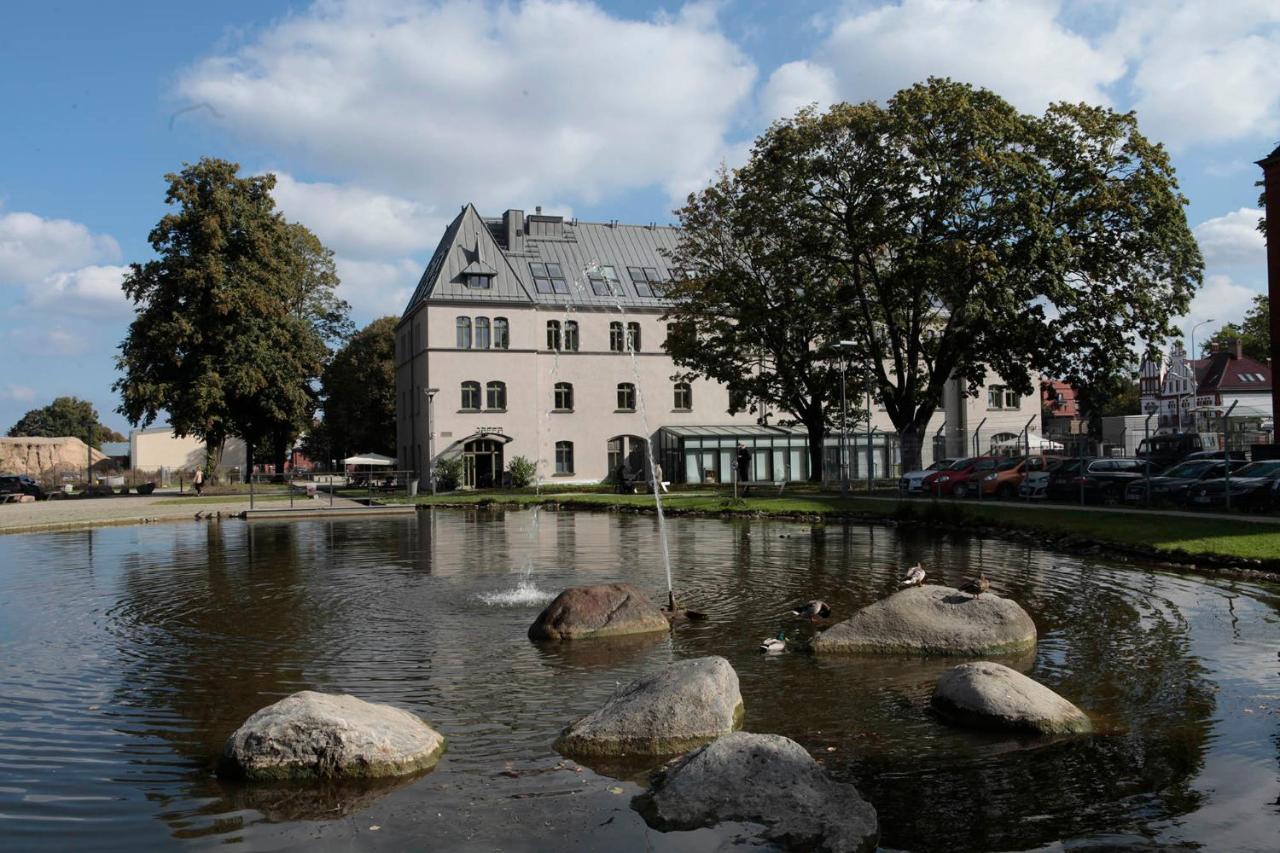
In terms of urban positioning, the Lublin and Białystok properties are both within walking distance of their respective city centres, while the Kalisz property occupies a converted piano factory - a location that sits directly in the urban core. The Gdańsk property is airport-adjacent, making it less useful for sightseeing but highly strategic for early departures or layover nights. If you're planning to explore the Tricity area - Gdańsk, Gdynia, and Sopot - note that the city centre is reachable by car in around 15 minutes from the airport hotel.
Hampton by Hilton Hotels in Poland by City
All four Hampton by Hilton hotels in Poland are spread across distinct cities - from the Baltic coast to the eastern borderlands - each offering a different entry point into the country's regional character.
-
1. Hampton By Hilton Gdansk Airport
Show on map


 Check-infrom 14:00 until 23:59Check-outuntil 12:00
Just a few rooms left at the best rate!
fromPLN 226
-
2. Hampton By Hilton Lublin
Show on map


 Check-infrom 15:00 until 23:59Check-outuntil 12:00
Just a few rooms left at the best rate!
fromPLN 215
-
3. Hampton By Hilton Bialystok
Show on map


 Check-infrom 15:00 until 23:59Check-outuntil 12:00
Hurry – almost gone at this price!
fromPLN 330
-
4. Hampton By Hilton Kalisz
Show on map


 Check-infrom 15:00 until 23:59Check-outuntil 11:00
Rooms filling fast – secure the best rate!
fromPLN 252
Smart Travel & Timing Advice for Poland
Poland's peak travel season runs from May to September, with July and August bringing the highest hotel rates and occupancy - particularly in Gdańsk, where Baltic coast demand pushes prices up significantly. Booking at least 6 weeks ahead is advisable for summer stays in Gdańsk; for Lublin, Białystok, and Kalisz, last-minute availability is more common given lower international tourist volumes. Spring - April and May - offers the best balance of mild weather, manageable crowds, and lower rates across all four cities, making it the most strategically sound window for a multi-city Polish itinerary.
Winter travel to Poland (November through February) is cold but viable, especially for cities with strong indoor cultural programmes. Lublin and Białystok both have active winter cultural calendars, and hotel rates drop noticeably during this period. A minimum of 2 nights per city makes sense for Lublin and Białystok given the regional day-trip potential - Białowieża Forest alone warrants a dedicated excursion day. For the Gdańsk airport property, a single-night stay is often the most practical use case, unless you're extending into the Tricity area for coastal exploration.