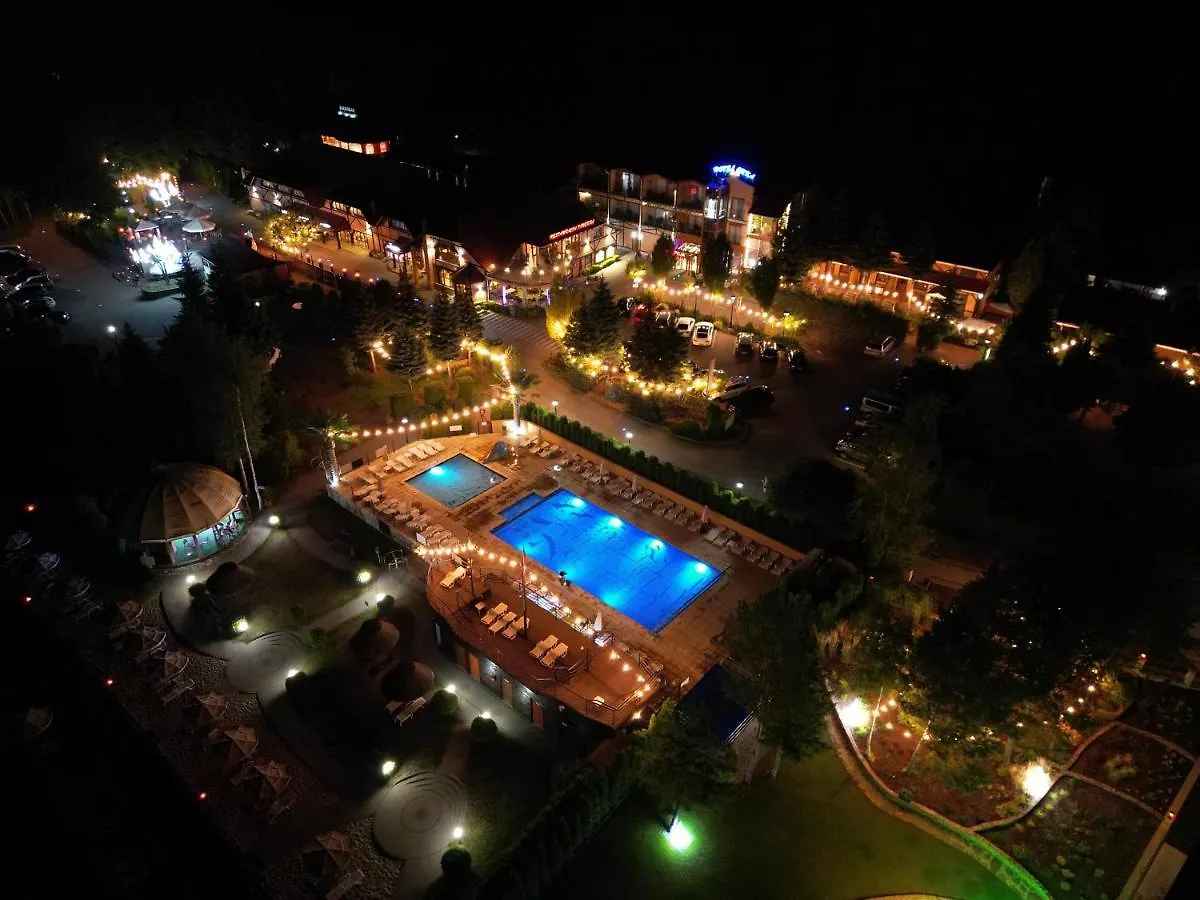
Poland's resort scene spans thermal spa towns, lakeside retreats, and forested getaways - each offering a distinctly different pace from the country's urban centers. From the geothermal waters of Uniejów to the lake-dotted Lubusz region near the German border, resort stays in Poland combine wellness infrastructure with some of Central Europe's most underrated natural landscapes. This guide covers four resort hotels across different Polish regions to help you match your stay to your actual travel goals.
What It's Like Staying in Poland
Poland is a country where medieval old towns, UNESCO-listed salt mines, and sprawling national parks coexist within a few hours of each other. The Tatra Mountains in the south, the Mazurian Lake District in the northeast, and the thermal spa belt in central Poland give travelers genuinely varied landscapes - not just a single postcard scene. Crowd patterns shift sharply by season: Kraków and Warsaw see heavy summer tourism, while spa and resort towns like Uniejów attract a more domestic, wellness-focused crowd year-round.
For resort-oriented stays, Poland rewards visitors who look beyond the major cities. Thermal bath infrastructure, particularly in the Łódź Voivodeship, is well-developed and far less crowded than comparable destinations in the Czech Republic or Hungary. International travelers may find fewer English speakers outside city centers, but resort hotels typically accommodate this with multilingual staff.
Pros:
- Thermal and spa resort infrastructure that rivals Western Europe at significantly lower prices
- Natural diversity - lakes, forests, river valleys - accessible within resort settings
- Lower tourist density outside major cities makes for a quieter, more immersive experience
Cons:
- Public transport to rural resort areas is limited; a rental car is often necessary
- English signage and menus become scarce outside urban and tourist-designated zones
- Some resort facilities close or reduce hours outside peak summer and winter seasons
Why Choose a Resort Hotel in Poland
Resort hotels in Poland occupy a distinct niche: they combine on-site wellness amenities - pools, saunas, spa treatments - with natural surroundings that urban hotels simply can't offer. Unlike city hotels where you pay a premium for location alone, Polish resorts tend to include more square meters per room, outdoor access, and activity programming at a comparable or lower price point. A mid-range resort stay in central or western Poland typically runs around 40% less than equivalent offerings in Germany or Austria.
The trade-off is mostly logistical. Resorts here are often positioned away from city transport networks, meaning you'll need a car or rely on limited local bus routes. Bungalow and apartment-style units at Polish resorts offer flexibility that standard hotel rooms don't - particularly useful for longer stays or small groups. Noise levels at nature-based resorts are generally low, though riverside and lakeside properties can attract local weekend visitors that shift the atmosphere on Saturdays.
Pros:
- On-site pools, saunas, and wellness centres included in room rates more often than in city hotels
- Room categories extend to apartments and bungalows, offering more space for multi-night stays
- Outdoor activities - fishing, canoeing, hiking - accessible directly from the property
Cons:
- Car dependency is high; most resorts lack direct rail or frequent bus connections
- Weekend occupancy spikes from domestic guests can affect availability and atmosphere
- On-site dining options, while convenient, are often the only realistic choice in rural resort locations
Practical Booking & Area Strategy
For wellness-focused resort stays, the Łódź Voivodeship - particularly Uniejów - is Poland's most concentrated thermal spa destination, with geothermal water infrastructure that took over a decade to develop. Western Poland's Lubusz region, including Sulęcin, positions travelers within around 40 km of the German border, making it a practical stop for cross-border itineraries while still offering forest and lake access. Greater Poland (Wielkopolska), where Września sits, is better suited for travelers using Poznań as a base - Poznań-Ławica Airport is under 60 km away and connects to major European hubs.
Gorzów Wielkopolski, the largest city in Lubusz, offers urban amenities with resort access nearby - a useful combination if your group has mixed preferences. Book at least 6 weeks ahead for summer weekends, particularly at spa-focused properties where treatment slots fill faster than rooms. For shoulder season travel in April-May or September-October, last-minute rates can drop noticeably at rural resorts that depend heavily on domestic summer demand.
Resort Hotels in the Thermal & River Belt
These two properties are anchored near Poland's western and central river corridors - one in a dedicated thermal spa town, the other in a forested resort zone close to the German border. Both prioritize on-site wellness and nature access over urban proximity.
-
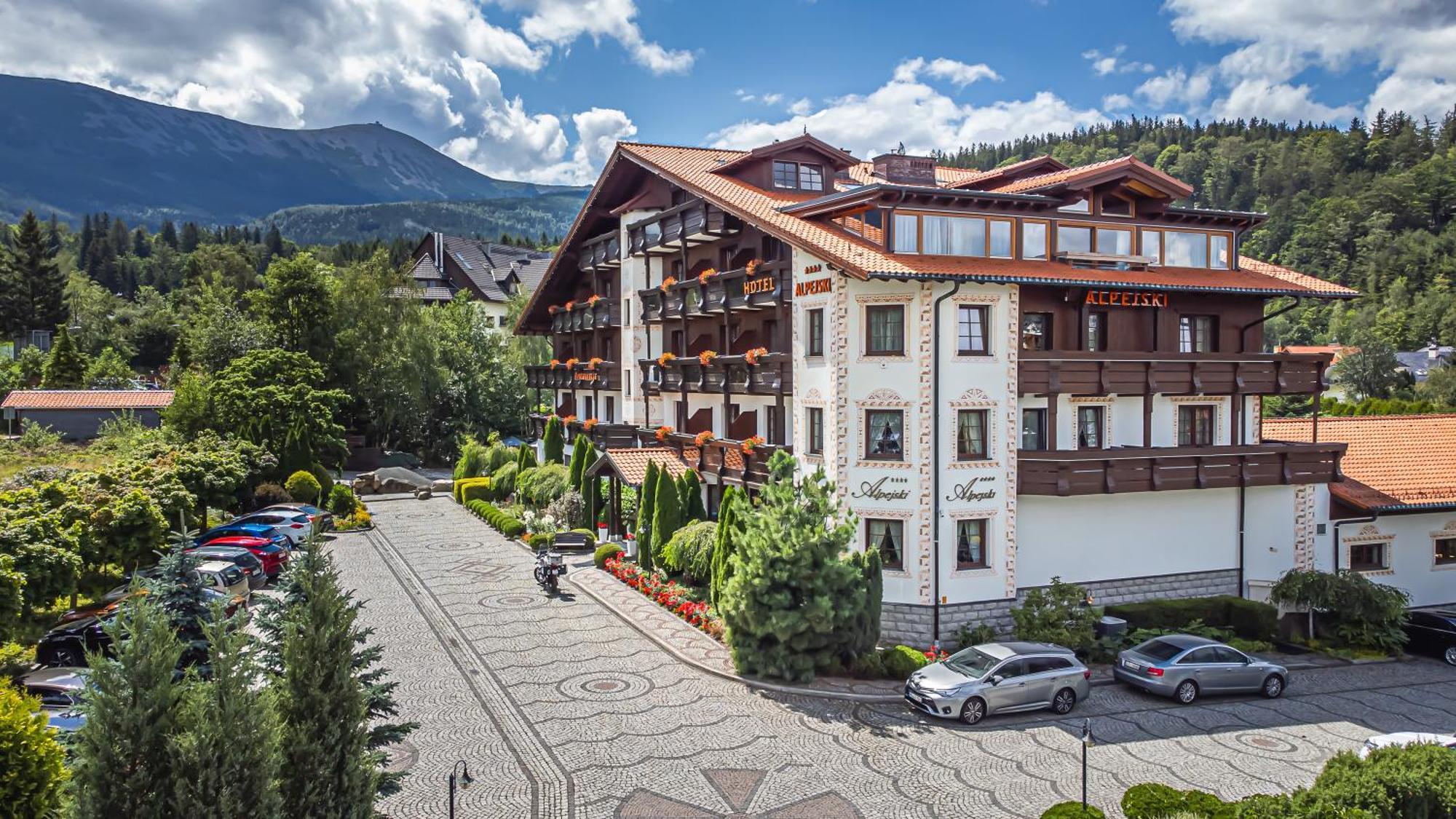
1. Hotel Uniejow
Show on map


 Check-infrom 14:00 until 23:59Check-outuntil 12:00
Just a few rooms left at the best rate!
fromPLN 345
-
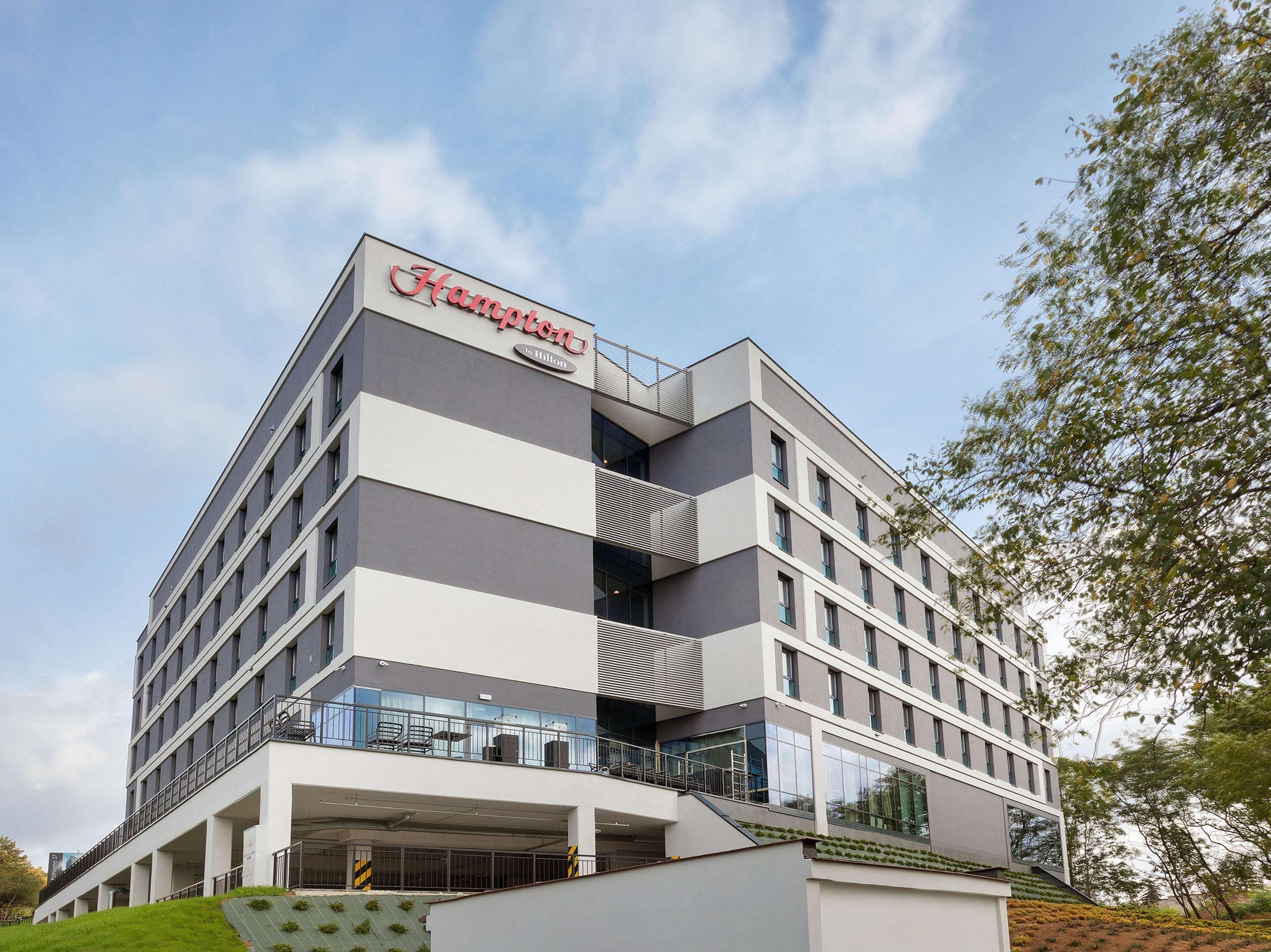
2. Hotel Kormoran Resort & Spa
Show on map


 Check-infrom 16:00 until 23:59Check-outuntil 11:00
Just a few rooms left at the best rate!
fromPLN 427
Resort-Style Hotels in Greater Poland
These two properties serve the Greater Poland and Lubusz regions - one as a well-equipped holiday park in a small town, the other as a centrally located city hotel that functions as a base for regional exploration.
-
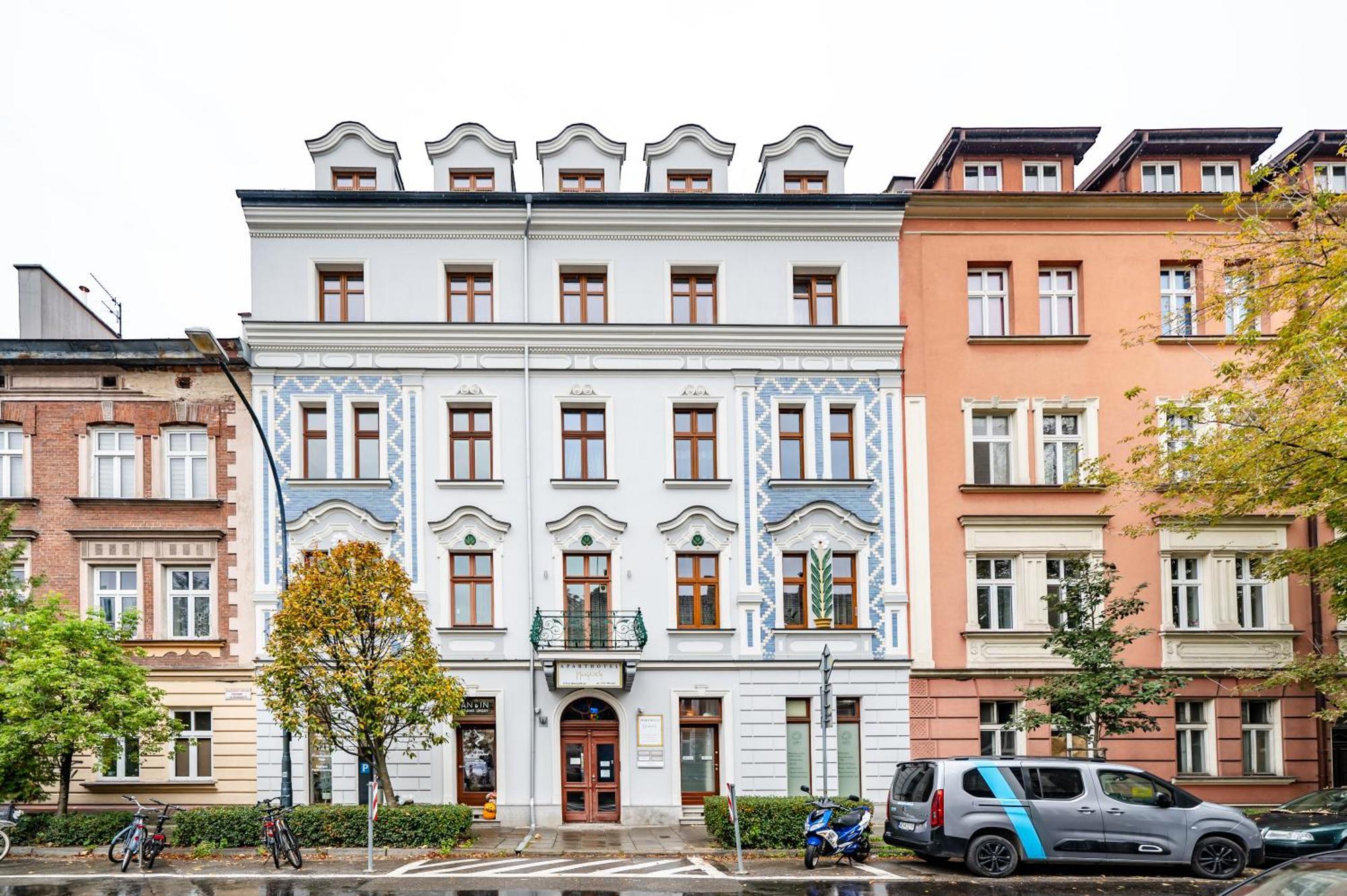
1. Ignasiak Hotel
Show on map


 Check-infrom 15:00 until 23:59Check-outfrom 01:00 until 11:00
Hurry – almost gone at this price!
fromPLN 341
-
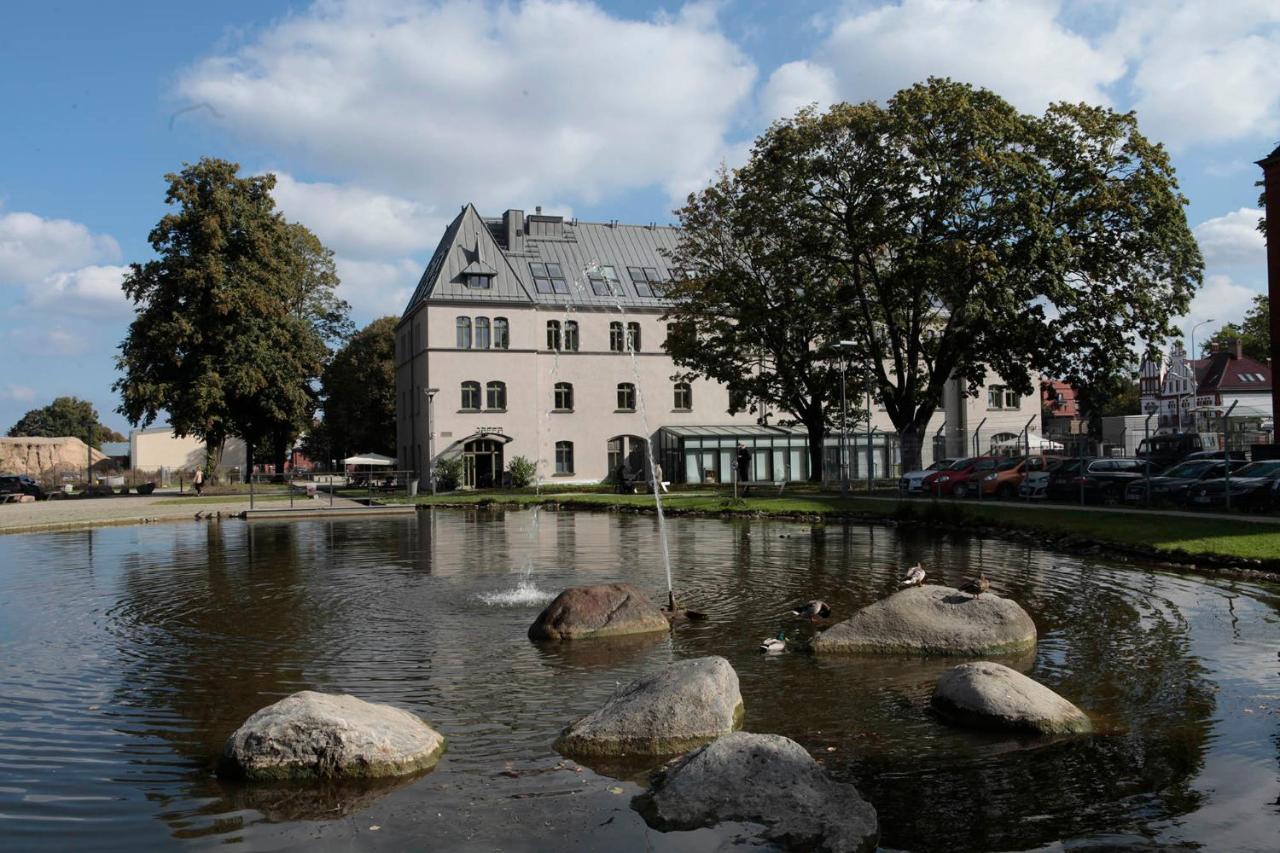
4. Hotel Fado
Show on map


 Check-infrom 14:00 until 23:59Check-outuntil 12:00
Rooms filling fast – secure the best rate!
fromPLN 197
Smart Travel & Timing Advice for Resort Stays in Poland
Polish resort destinations follow a clear seasonal rhythm. July and August bring the highest domestic demand, particularly at lakeside and riverside properties - Kormoran and Uniejów both see strong Polish family bookings during school holidays, which run from late June through August. Thermal spa towns like Uniejów maintain steady occupancy through winter because the geothermal baths operate year-round, making November through February a quieter but fully functional window for wellness-focused visits.
Shoulder seasons - April through early June and September through October - offer the best combination of accessible pricing and manageable crowd levels at rural resorts. For Ignasiak Hotel near Poznań, proximity to a functioning airport makes it a year-round option with less seasonal volatility than more remote resort properties. Book treatments and spa slots separately from rooms, as they fill ahead of accommodation at dedicated wellness resorts. A minimum stay of 3 nights makes the most logistical sense at properties in Sulęcin or Uniejów, where the drive from major cities means you'll want to maximise your time on-site rather than treat it as a one-night stopover.